
You can’t have murder rates, crime rates so high and not expect them to bleed into every part of Chicago. It’s happening now. – Wirepoints on AM 560 Chicago’s Morning Answer
 Ted joined Dan and Amy this morning to talk about how crime in Chicago is getting even worse, why Chicago’s corporate elite failed to use their influence to to change the city for the better, Brandon Johnson’s past comments about “defunding the police,” Rep. La Shawn Ford’s misguided “parental bullying” bill, and more.
:quality(70)/cloudfront-us-east-1.images.arcpublishing.com/tronc/GP44XBVQEJEH5IZBD4EQOP6V2U.jpg) Nationally, “expectations have never been higher. You’re coming in at a time when policing is being challenged from every direction,” said Chuck Wexler, longtime director of the Police Executive Research Forum. Chicago is also a special case: “You have significant violent crime, you have a consent decree, you have morale issues, and you have hiring issues. All of those issues require a leader with extraordinary knowledge of policing and just genuine leadership.”
Nationally, “expectations have never been higher. You’re coming in at a time when policing is being challenged from every direction,” said Chuck Wexler, longtime director of the Police Executive Research Forum. Chicago is also a special case: “You have significant violent crime, you have a consent decree, you have morale issues, and you have hiring issues. All of those issues require a leader with extraordinary knowledge of policing and just genuine leadership.” Jack Lavin, CEO of the Chicagoland Chamber of Commerce, said the measure would “cripple” the organizations doing crucial work to help some of the most vulnerable Chicagoans. Juan Carlos Linares, the CEO of Association House, told the alderpeople that small nonprofits may stop contracting with the city to avoid having to pay legal fees if their employees choose to unionize.
 House Bill 1533 is sponsored by State Rep. Barbara Hernandez. Anyone caught declawing a cat would be subject to an Illinois Department of Agriculture fine of $500 for the first offense and $1,000 for a second violation.
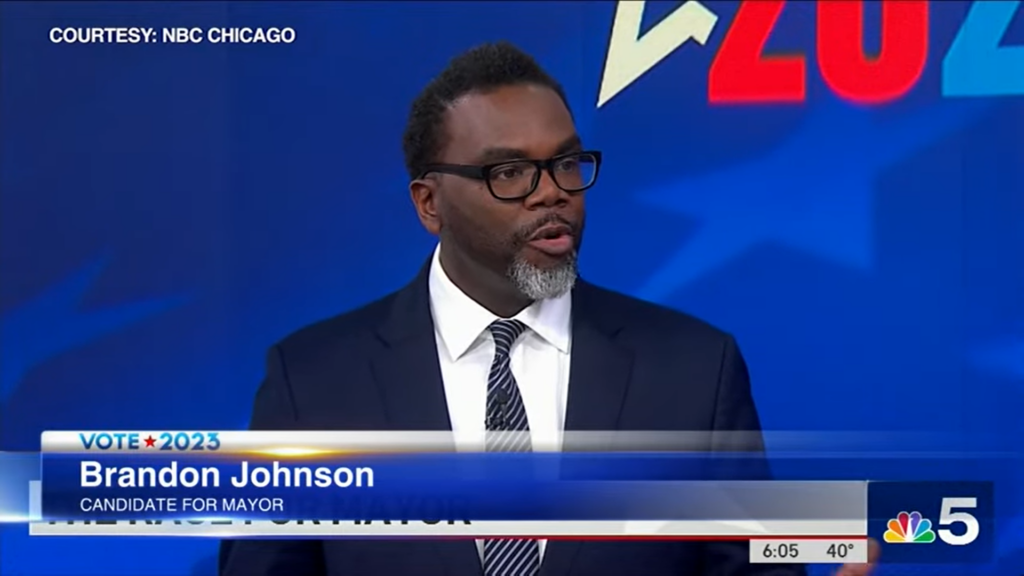 Brandon Johnson has taken a different tack than Vallas with a focus on social programs fueled by higher taxes to get at the “root causes” of crime. But Johnson in recent years has gone further, expressing support for the “Defund the Police” movement and sympathy for looters in Chicago.
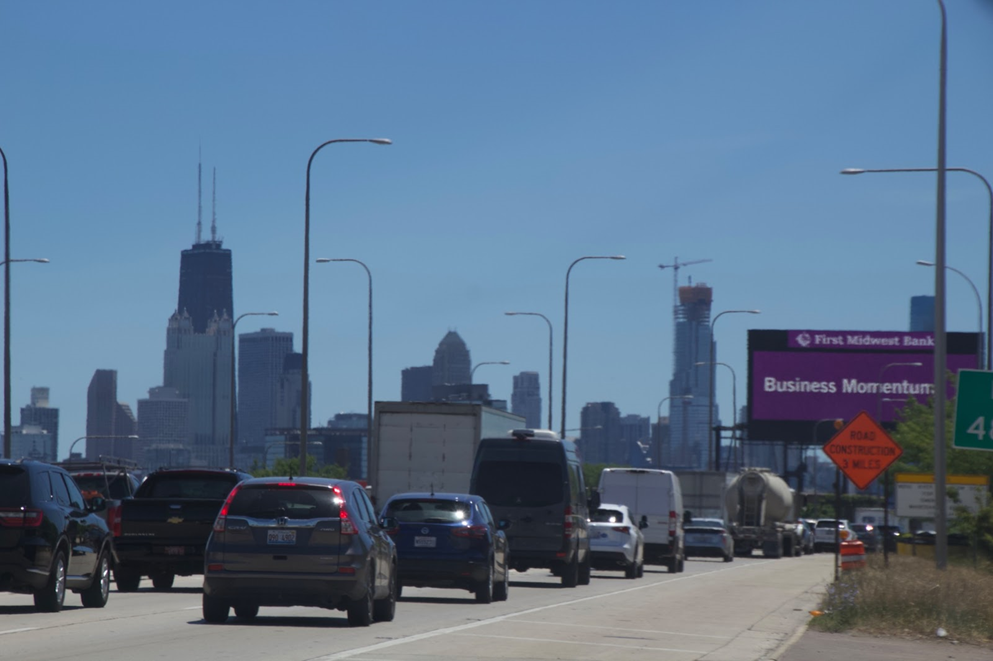 Matt Rosenberg joined Mary Hallan Fiorito and Lauretta Froelich on WNDZ-AM 750’s “Winds of Change” to talk about why crime in Chicago is as pressing as ever, why the city’s two final mayoral candidates are taking two very different approaches to the problem and why full-on school choice is a crucial piece of real long-term violence prevention.
 Due to refinancing and years of primarily paying interest instead of principal, the debt owed for Soldier Field has ballooned from the original $399 million to $631 million, according to the Illinois Sports Facilities Authority, which manages the debt payments. “No sane person would have agreed to this deal,” said J.C. Bradbury,