Totaling the unsustainable tax increases and windfall revenue during Pritzker Administration – Wirepoints
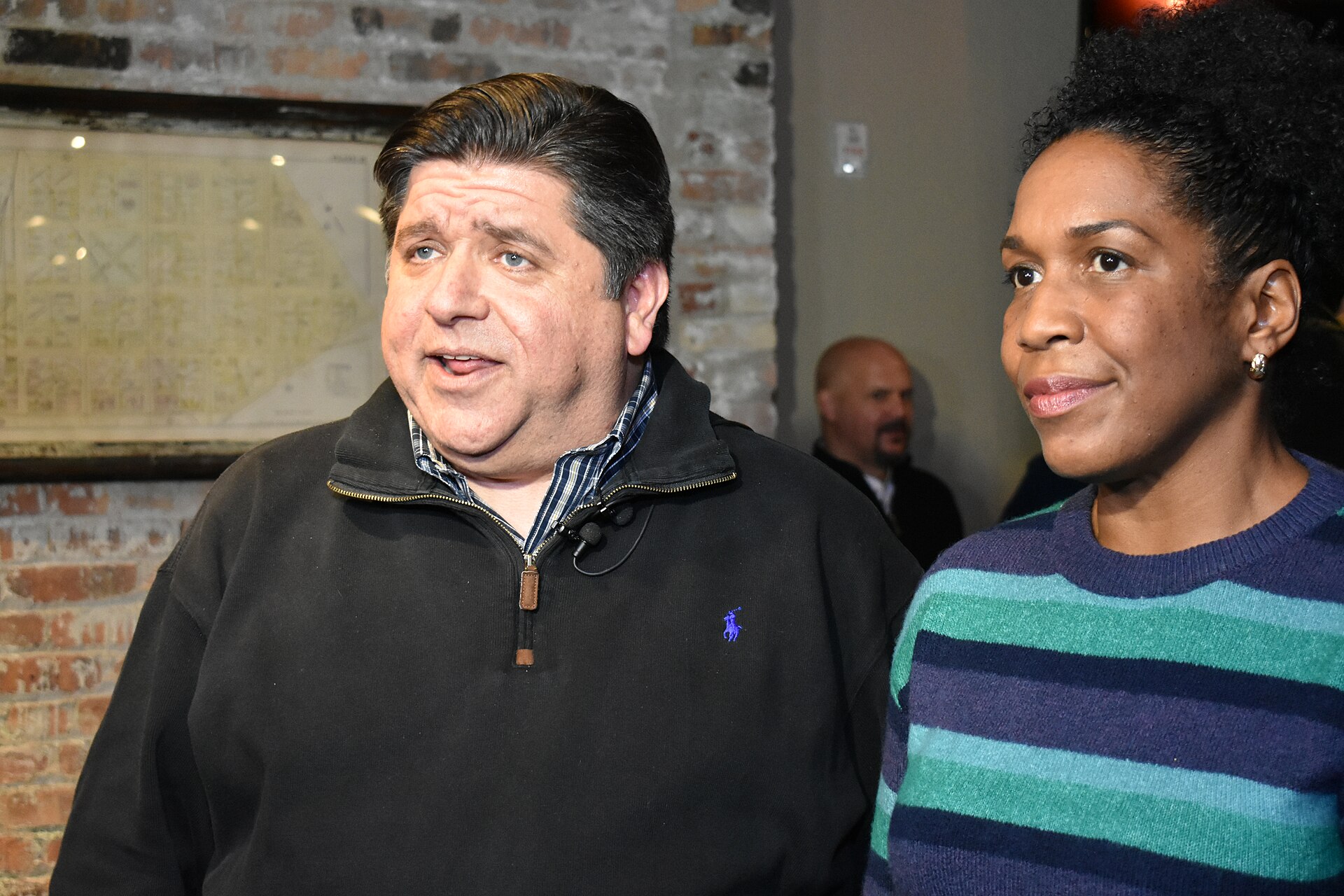 With $162 billion more from taxpayers, couldn’t you deliver a few bond upgrades, too

-- Connecting the dots between our economy, government and business --
With $162 billion more from taxpayers, couldn’t you deliver a few bond upgrades, too
 A largely unasked question is becoming glaring: Is Illinois doing all it should to use artificial intelligence to make government cost less and work better? So far, the evidence says no.
Everybody needs a side hustle these days, and mine is Ukraine, where I am now.
SIGN UP HERE FOR OUR FREE WIREPOINTS DAILY NEWSLETTER
 Audio and summary
Whether the likes of Democrats like Bill Cunningham vote yes or no is not based on the content of the bill inasmuch as how many votes are needed. Bill was able to vote no initially because the IL Senate Dems had enough yes votes for it to pass. Likewise, he was able to vote yes this time around, allowing any senators connected to SJW interests to vote no.
This is what a super-majority affords Illinois Democrats. The moderate ones or the ones who have Republican challengers are able to vote against party lines without actually changing the outcome.