Totaling the unsustainable tax increases and windfall revenue during Pritzker Administration – Wirepoints
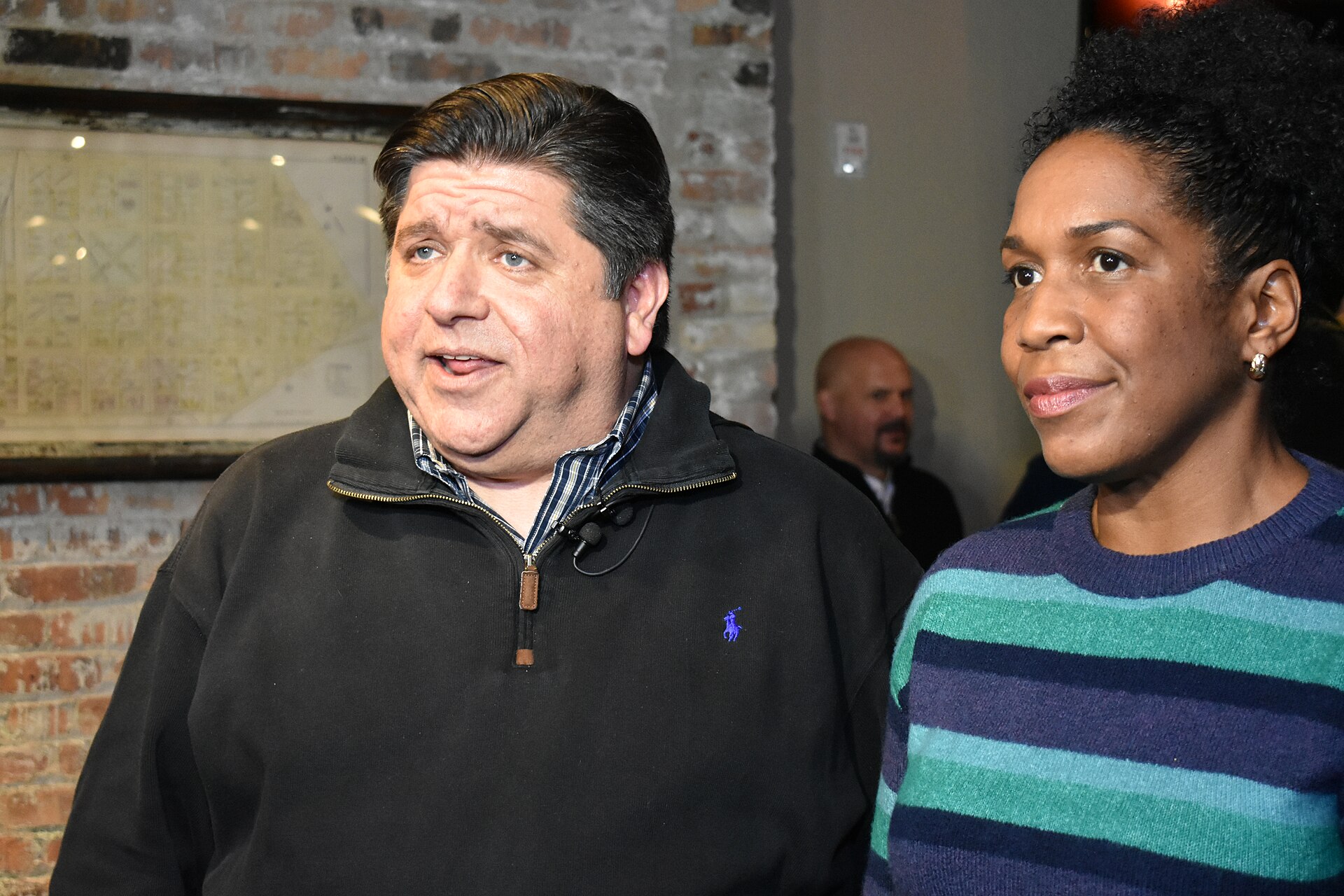 With $162 billion more from taxpayers, couldn’t you deliver a few bond upgrades, too

-- Connecting the dots between our economy, government and business --
With $162 billion more from taxpayers, couldn’t you deliver a few bond upgrades, too
 A largely unasked question is becoming glaring: Is Illinois doing all it should to use artificial intelligence to make government cost less and work better? So far, the evidence says no.
Everybody needs a side hustle these days, and mine is Ukraine, where I am now.
SIGN UP HERE FOR OUR FREE WIREPOINTS DAILY NEWSLETTER
 Audio and summary
Pensions are the root of all evil. Has nothing to do with education but everything to do with GREED.
Illinois educational system is the largest Ponzi scheme in the nation.
The cost per student is a funny number. First, it isn’t spent on students, per se, it is largely a component of legacy costs as the article points out. The students don’t benefit from a $200,000 professors salary, and certainly don’t benefit from their probably $25,000 health care costs. Lower paid professors in other states are likely just as intelligent, or more so, than the ones entrenched in Illinois to take advantage of the benefits. Second, if Illinois could manage to keep more in-state students or attract more students in general, that spending per pupil would go down. Since the… Read more »