
-- Connecting the dots between our economy, government and business --
-- Connecting the dots between our economy, government and business --
Chicago’s political leadership is floating a pension buyout program as evidence it is seriously addressing the city’s thirty-six-billion-dollar unfunded pension liability, but Mark Glennon, founder of the Illinois policy research organization Wirepoints, said that the proposal moves debt from one column to another rather than reducing it, and that the broader fiscal picture facing the city continues to deteriorate across every measurable dimension. Audio here.
 Expect no retraction or apology. This what they do.
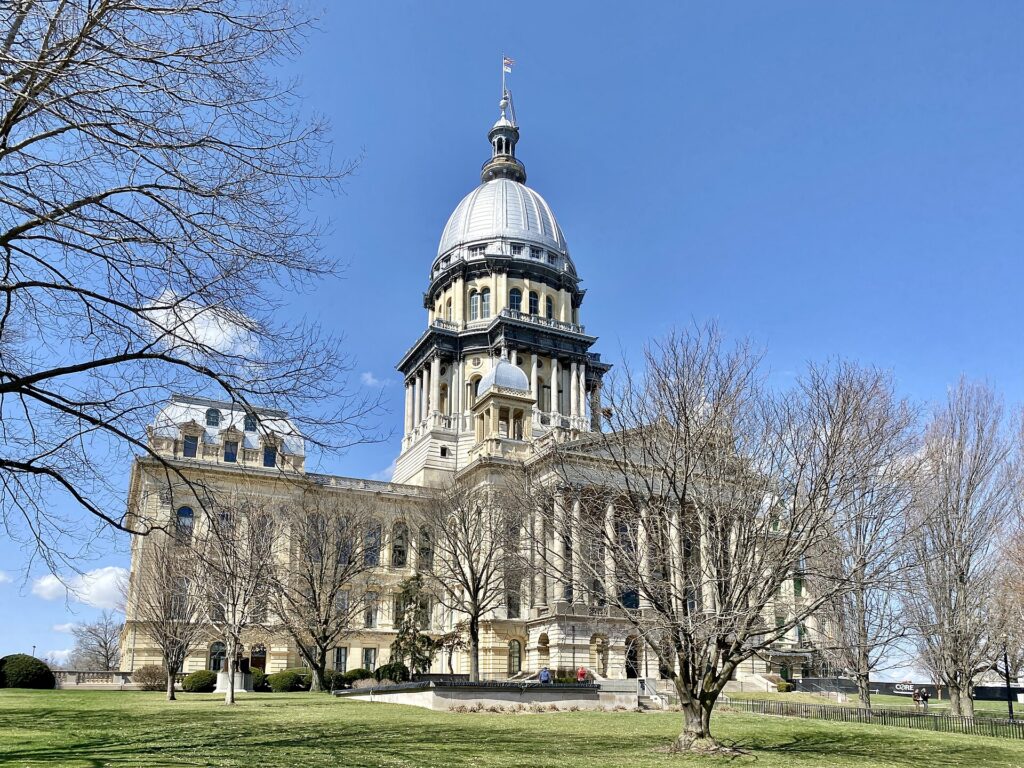 The state’s existing buyout program for its own pensions is the precedent for Chicago, which should be a warning: Look out for similar exaggerated claims and shoddy analysis.
SIGN UP HERE FOR OUR FREE WIREPOINTS DAILY NEWSLETTER
Just a note, but it really is an important one, as it is fundamental to finance. When you make an investment you carefully assess the actual risk in order to insure you are being adequately compensated fro the risk ensued.
The trouble is people are not investing, they are speculating only they are too stupid to demand a speculator’s rate of return.
A lot of the reason has to do with government interference in what would otherwise be orderly, efficient markets.
A few bankrupt states would be a healthy thing. Going forward people would look at implicit structural debt differently.
Illinois and Chicago bonds should have “speculative” low quality ratings, but they are still given ratings high enough to keep the institutional investors in the market. The more the taxpayer is screwed over the better the ratings get as the taxpayer is sold out every offering. So to an investor just going off the ratings, everything is fine. Until the borrowing ponzi cant go any farther and Moodys finally sees that they cant keep lying and they have to rate it junk.
Author is wrong about Peoria, 100% of property tax, NOT sales tax, will go to pensions next year.