
-- Connecting the dots between our economy, government and business --
-- Connecting the dots between our economy, government and business --
Chicago’s political leadership is floating a pension buyout program as evidence it is seriously addressing the city’s thirty-six-billion-dollar unfunded pension liability, but Mark Glennon, founder of the Illinois policy research organization Wirepoints, said that the proposal moves debt from one column to another rather than reducing it, and that the broader fiscal picture facing the city continues to deteriorate across every measurable dimension. Audio here.
 Expect no retraction or apology. This what they do.
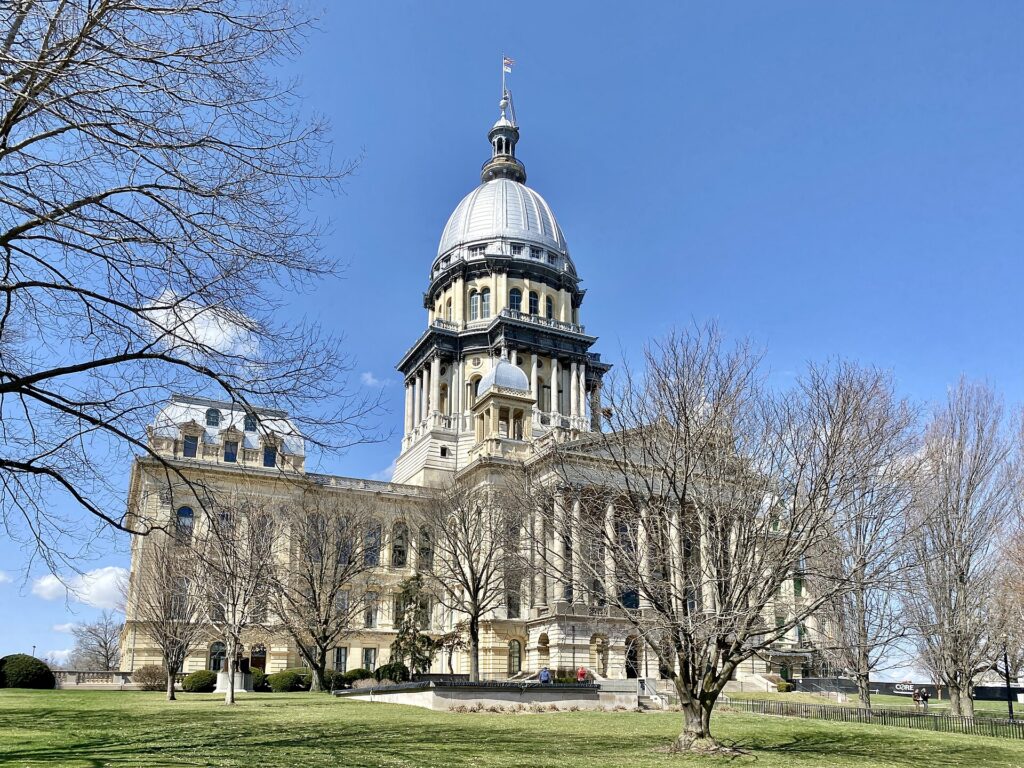 The state’s existing buyout program for its own pensions is the precedent for Chicago, which should be a warning: Look out for similar exaggerated claims and shoddy analysis.
SIGN UP HERE FOR OUR FREE WIREPOINTS DAILY NEWSLETTER
Federal government would never go after gerrymandering.. but this!
Federal government go after gerrymandering. The Supreme Court decided several years back that gerrymandering was a entirely political activity and shouldn’t be regulated by the courts.
This is HUGE and I’m surprised there are no comments on this yet. The Federal government believes that giving a democratically elected alderman the right to approve or disapprove of development in his or her ward is systemically racist and causes segregation. Yes, aldermanic prerogative has its problems, and encourages alderman to take petty $500 campaign donations to approve zoning changes for developers to build three flats instead of two flats and such. But at it’s core, it also gives the people a direct line to their alderman to say “we don’t want this in our neighborhood, send it somewhere… Read more »