
-- Connecting the dots between our economy, government and business --
-- Connecting the dots between our economy, government and business --
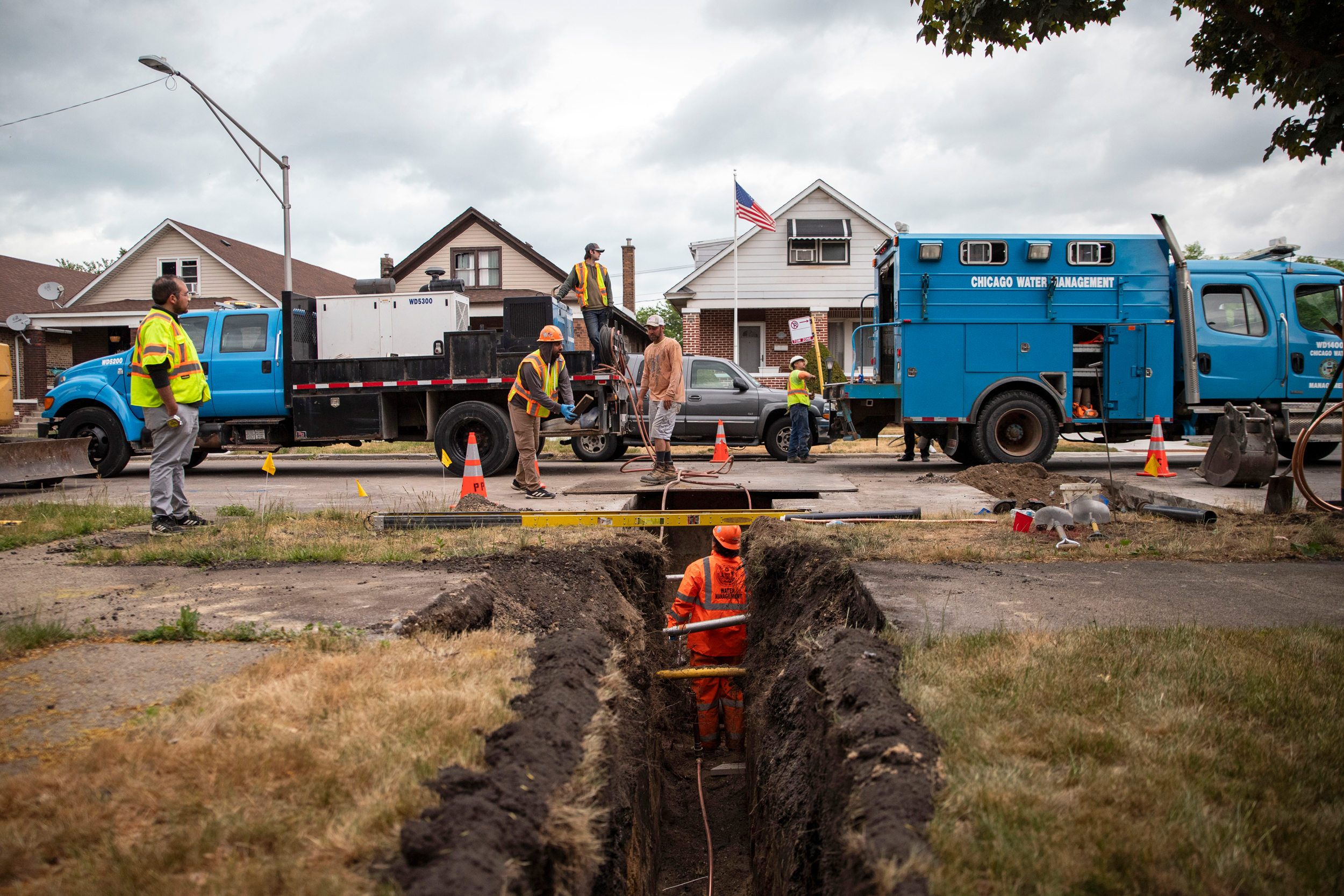 The Biden-era U.S. Environmental Protection Agency mandated that water systems across the country replace all their lead service lines. Under the new rule, most water systems will have 10 years to complete replacements, while Chicago will likely get just over 20, starting in 2027, when that requirement kicks in. But the city’s replacement plan, submitted to the Illinois Environmental Protection Agency in April per state law and obtained through a public records request, puts it 30 years behind that timeline.
 Chicago’s political leadership is floating a pension buyout program as evidence it is seriously addressing the city’s thirty-six-billion-dollar unfunded pension liability, but Mark Glennon, founder of the Illinois policy research organization Wirepoints, said that the proposal moves debt from one column to another rather than reducing it, and that the broader fiscal picture facing the city continues to deteriorate across every measurable dimension. Audio here.
 Expect no retraction or apology. This what they do.
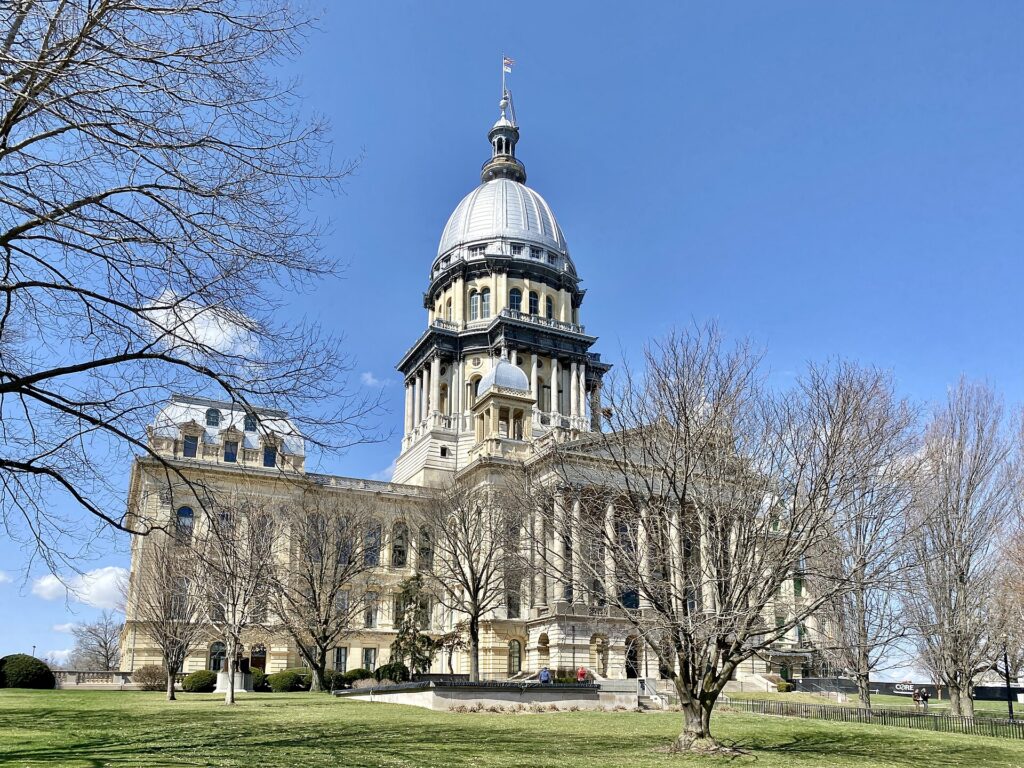 The state’s existing buyout program for its own pensions is the precedent for Chicago, which should be a warning: Look out for similar exaggerated claims and shoddy analysis.
SIGN UP HERE FOR OUR FREE WIREPOINTS DAILY NEWSLETTER
Can one of you acolytes of the Climate Religion please explain how this local issue is a ‘climate’ issue?
These Climate Clerics are aware that their chosen faith has jumped the shark, thereby negating much of the advertising power of putting the word ‘climate’ in front of their cause du jour, right? Or…not.
And so criminal behavior will probably remain elevated for that much time.
Time for a federal court decree to supervise this pipe replacement. IF you are a law firm in Chicago who can get appointed to monitor a decree like this, just think of the recurring revenue you can generate for 30 years…maybe even longer, this being CHicago!
For all of his cheap talk, Brandon doesn’t care about low-income minorities or anyone who drinks city water.