
-- Connecting the dots between our economy, government and business --
-- Connecting the dots between our economy, government and business --
Chicago’s political leadership is floating a pension buyout program as evidence it is seriously addressing the city’s thirty-six-billion-dollar unfunded pension liability, but Mark Glennon, founder of the Illinois policy research organization Wirepoints, said that the proposal moves debt from one column to another rather than reducing it, and that the broader fiscal picture facing the city continues to deteriorate across every measurable dimension. Audio here.
 Expect no retraction or apology. This what they do.
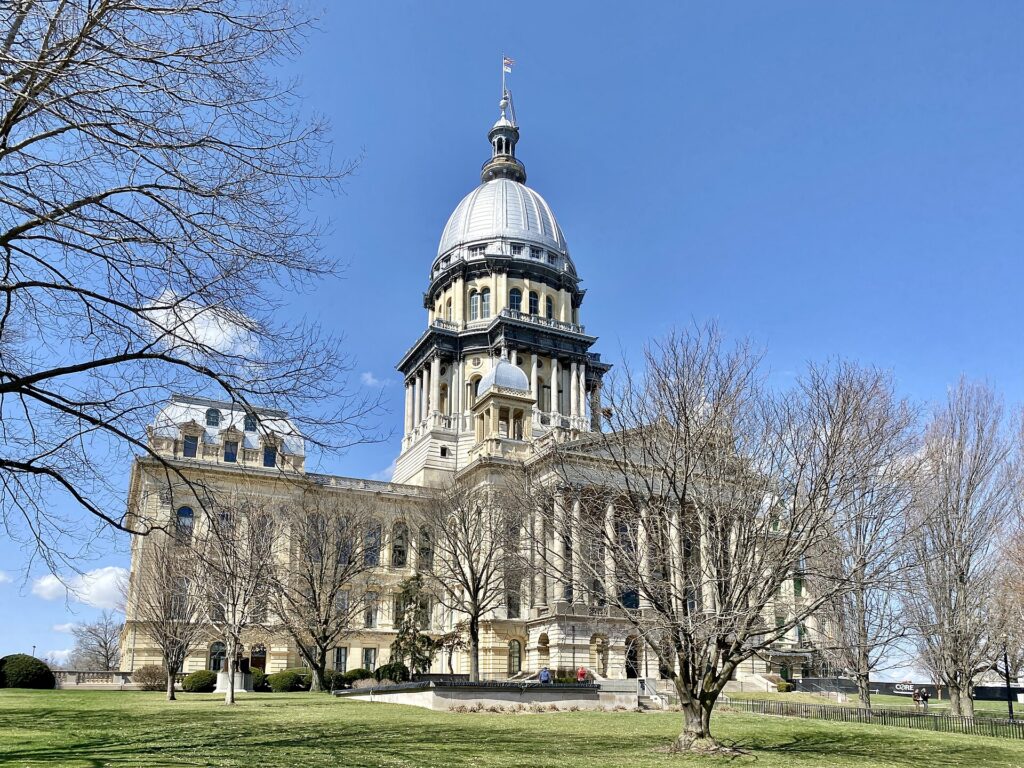 The state’s existing buyout program for its own pensions is the precedent for Chicago, which should be a warning: Look out for similar exaggerated claims and shoddy analysis.
SIGN UP HERE FOR OUR FREE WIREPOINTS DAILY NEWSLETTER
“If benefits are guaranteed, the way to value them is by calculating the normal cost of the pension while assuming a riskless rate of return. This is how the Congressional Budget Office has measured the generosity of pension benefits in it’s own analysis of federal employee compensation…” As a Finance prof I am simply astounded by this statement. Even if it were true that federal pensions are as riskless as bonds issued by the federal government (try telling that to the federal employees who are nervous about the Trump administration’s attempts to diminish their pensions) it is crystal clear from… Read more »
Professor, there is no reputable financial economist anywhere who agrees with you. Because pension promises are guarantied, the true cost of those promises has to be measured as if the assets backing up the promise to pay are invested in absolutely safe instruments — treasuries. Take a look at what Nobel economists say on this. https://wirepoints.org/harshest-critics-of-public-pensions-are-nobel-prize-winning-economists-wp-original/ I do agree, however, that 2.2% is outdated, though not by much. 30 treasuries are at 3%.
At what point do we discuss the use of equal rate assumptions for both the discount rate and the expected rate of return – which all the public pension systems do – means we should also use 100% funding target levels, not 80% or 90%. I’m sure any reputable finance professor would tell you this.
Great question, especially respecting OPEB.
In Illinois with Tier 2 reform in place, Public Employee pensions have become far less generous in payout than before Tier 2. Public pensions are now on-par with Social Security payout benefits.
A truth to anyone who cares to look or know. A foil to those who wish to obfuscate.
The article clearly states “…but most reforms to benefits affect only newly-hired workers.”
Tier 2 benefits can be adjusted upwards at any time. No one in Tier 2 has vested yet. Anyone hired in the last 7 years wouldn’t be pension eligible, even under Tier 1 rules. So Tier 2 payouts are currently a moot point.
The pension boards should be doing “what-if” analysis to determine the cost of any Tier 2 benefit enhancements. Currently, they’re baking those Tier 2 cost savings into the normal cost and pension liability.
You’re right on that. The problem is not in Tier 2. I think t’s unfortunate that some of the discussion of Ted and John’s work has started using words like “generous,” which obscures the point. The central point they made is simply how fast obligations have grown relative to other measures. That’s just an observation.. Think what you want about whether those obligations are generous, fair, or something like that. Those issues, and whether the the obligations are affordable, are a separate debate.
My central point is not obscured. Tier 2 is a reform that LOWERS pensions and obligations because of a LOWER employee pension payout period. Generous or not its a much lower payout. Tier 2 is a prime example how the employee pension benefit payout is not increasing at all. With Tier 2, simple fact, the worker benefit payout flat out dropped. Teds point, that got all the stir, was that our pension deficit is more of a result of benefit level increases, rather than chronic underfunding….well our Illinois worker benefit level is NOT increasing with Tier 2. Not for 7… Read more »
Mad? I like it when people argue with facts they don’t like (like Ted/John’s Pew data) by saying fake news. Have at it.
More B.S. nonsense was posited as follows: Public pensions are now on-par with Social Security payout benefits. It is nothing of the sort. there is no guaranteed inflation adjustment or minimum annual increase. Any inflation increase is not calculated at the whim of Congress or the SS administration. Your benefits are constitutionally guaranteed by the state of IL, SS, in theory can go to zero payout and they can reduce benefits at any time. In fact right now SS benefits are slated to take a 22-27% haircut. They can increase the haircut at any time, they can change the benefit… Read more »