Totaling the unsustainable tax increases and windfall revenue during Pritzker Administration – Wirepoints
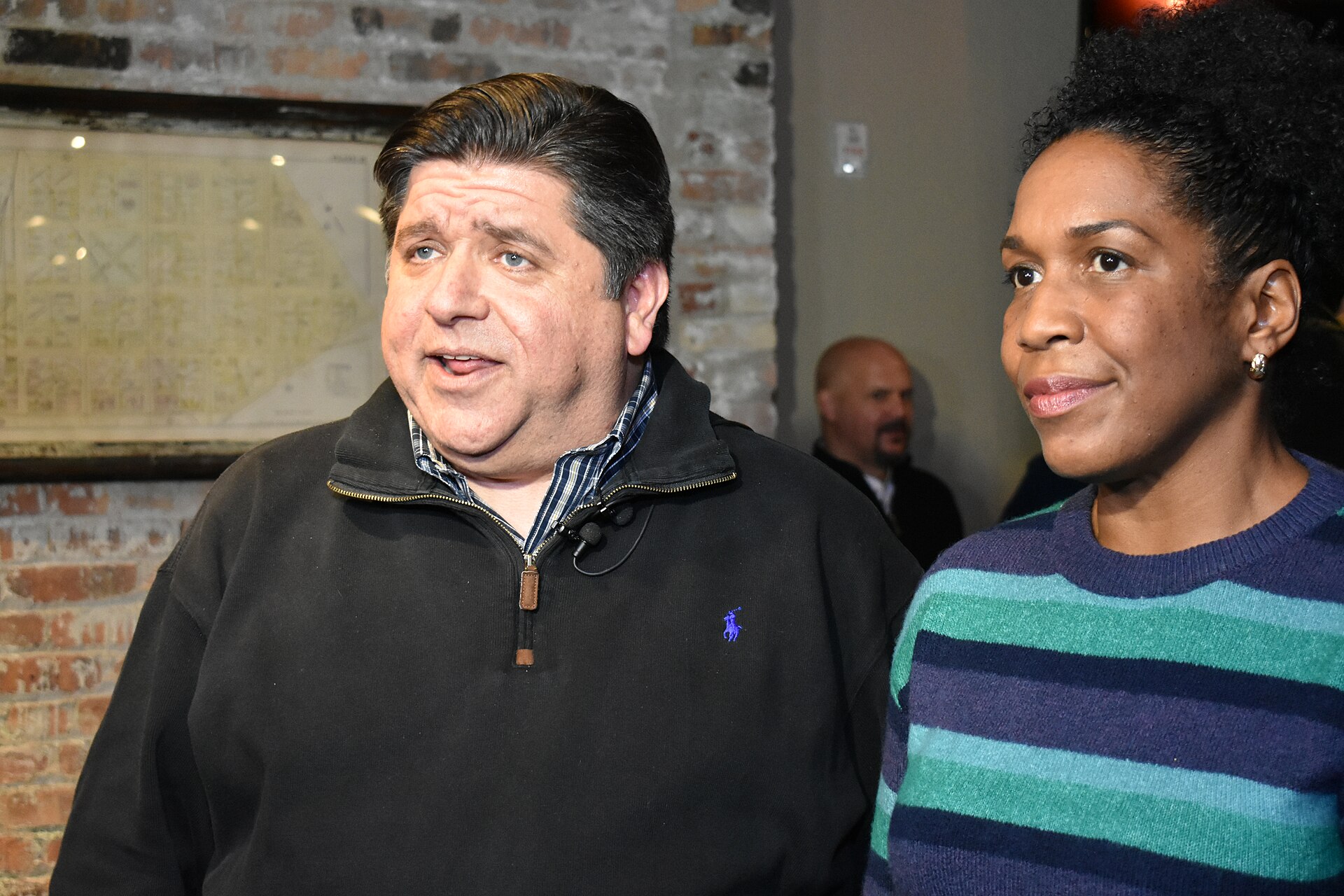 With $162 billion more from taxpayers, couldn’t you deliver a few bond upgrades, too

-- Connecting the dots between our economy, government and business --
 The team got started in early May with just a few medical school students and doctors and has grown to about 200 volunteers. It’s the primary source of care for those staying temporarily at police stations, and leaders estimates the group has spent $15,000 on medications. “It’s a lot of resources being given out of the goodness of people’s hearts and with poor support from the city,” one volunteer doctor said.
 With $162 billion more from taxpayers, couldn’t you deliver a few bond upgrades, too
 A largely unasked question is becoming glaring: Is Illinois doing all it should to use artificial intelligence to make government cost less and work better? So far, the evidence says no.
Everybody needs a side hustle these days, and mine is Ukraine, where I am now.
SIGN UP HERE FOR OUR FREE WIREPOINTS DAILY NEWSLETTER
 Audio and summary