
-- Connecting the dots between our economy, government and business --
-- Connecting the dots between our economy, government and business --
Chicago’s political leadership is floating a pension buyout program as evidence it is seriously addressing the city’s thirty-six-billion-dollar unfunded pension liability, but Mark Glennon, founder of the Illinois policy research organization Wirepoints, said that the proposal moves debt from one column to another rather than reducing it, and that the broader fiscal picture facing the city continues to deteriorate across every measurable dimension. Audio here.
 Expect no retraction or apology. This what they do.
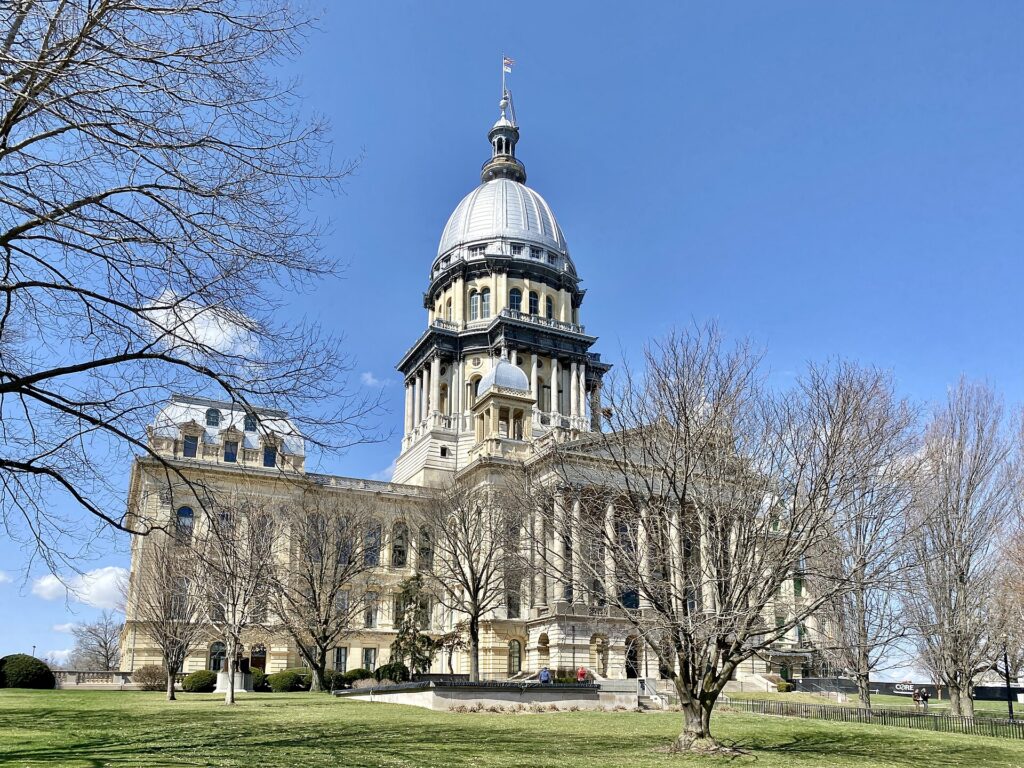 The state’s existing buyout program for its own pensions is the precedent for Chicago, which should be a warning: Look out for similar exaggerated claims and shoddy analysis.
SIGN UP HERE FOR OUR FREE WIREPOINTS DAILY NEWSLETTER
I would like the numbers and methodology. Despite be so oppressed Latinos had a higher life expectancy than whites in 2012. I highly doubt the City can do an adequate life expectancy study.
Not sure I believe that latinks had a higher life expectancy than whites in 2012. Unless the downtrodden and poor short lives of the heavy drinking/heavy smoking Bridgeport and Canaryville types brought down the average for white people overall.
The city has identified racism as a key factor in the life expectancy gap between people of color and white Chicagoans. Hahaha, a city that is 2/3rd minority is racist! Not this: ““Why would a family of six buy something that’s healthy, or cold-pressed juice, or orange juice or carrot juice, when they can buy like an Arizona Ice Tea can for $1 as opposed to paying $5 for orange juice?” Sanchez said.” LOL, you can’t make this crap up. $5 fresh pressed orange juice is too expensive, and therefore, structurally racist. Not that oranges are grown in tropical enviroments… Read more »
You got me thinking about how much sugar is in soft drinks and most people would not know.
https://www.reference.com/world-view/many-packets-sugar-mountain-dew-78beab8c21e3dccb