Totaling the unsustainable tax increases and windfall revenue during Pritzker Administration – Wirepoints
 With $162 billion more from taxpayers, couldn’t you deliver a few bond upgrades, too

-- Connecting the dots between our economy, government and business --
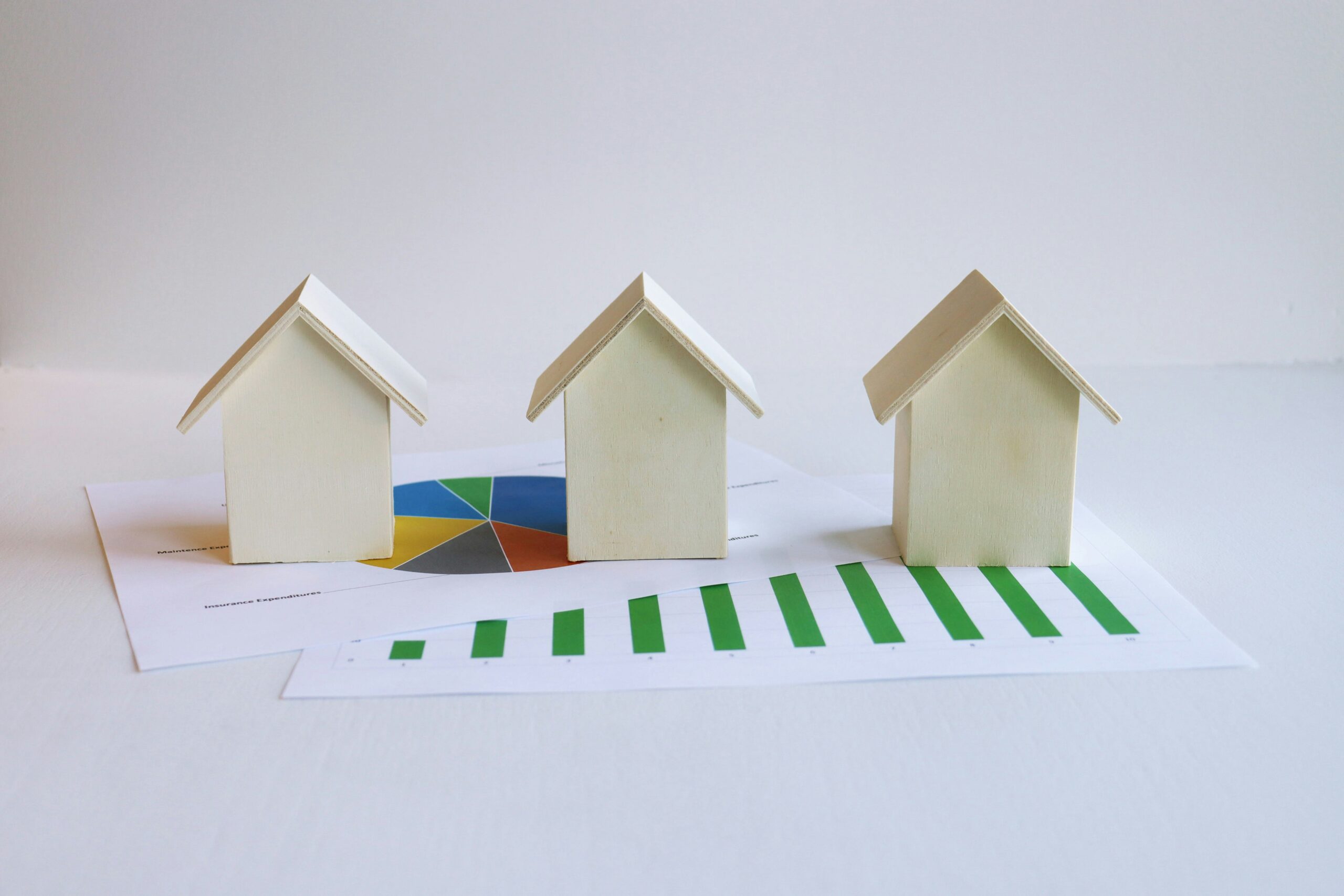
 For the fourth month in a row, home prices grew faster in Chicago than in any other major U.S. city, according to a national index of August home prices. In August, home prices in the Chicago area were up 5% from the same time a year earlier. While it’s more evidence of the Chicago housing market’s resilience during the recent nationwide slowdown under the weight of rising interest rates, there’s also data in the report that shows Chicago-area home values lag well behind most big cities in the long-range view.
 With $162 billion more from taxpayers, couldn’t you deliver a few bond upgrades, too
 A largely unasked question is becoming glaring: Is Illinois doing all it should to use artificial intelligence to make government cost less and work better? So far, the evidence says no.
Everybody needs a side hustle these days, and mine is Ukraine, where I am now.
SIGN UP HERE FOR OUR FREE WIREPOINTS DAILY NEWSLETTER
 Audio and summary
I will admit, I was wrong, the housing market IS RESILIENT!
Buy Now, knife-catchers, or be Priced Out *FOREVER*.
There are not many new homes being built due to a variety of reasons. Interest rates/many tradesmen who retired in the last few years/cost of empty lots and material costs thru the roof for a while. 2x4x8′ lumber was approx $14.00 and plywood around $100/sheet and uncertainty during Covid like lock downs.
There’s plenty of new homes being built they’re just far out in the exurbs. Infill spec homes in existing suburbs tend to be very expensive and the math works only in neighborhoods with high prices per sq foot and there’s just not a lot of open space left of low rent or affordable apartments.
Moreover, most of the immigrants coming here can’t afford to live in the new, expensive housing. They are crowding into the cheapest low rent apartments throughout the region. This pushes people into more expensive neighborhood, and so on. Things could be a lot worse though.