
-- Connecting the dots between our economy, government and business --
-- Connecting the dots between our economy, government and business --
Chicago’s political leadership is floating a pension buyout program as evidence it is seriously addressing the city’s thirty-six-billion-dollar unfunded pension liability, but Mark Glennon, founder of the Illinois policy research organization Wirepoints, said that the proposal moves debt from one column to another rather than reducing it, and that the broader fiscal picture facing the city continues to deteriorate across every measurable dimension. Audio here.
 Expect no retraction or apology. This what they do.
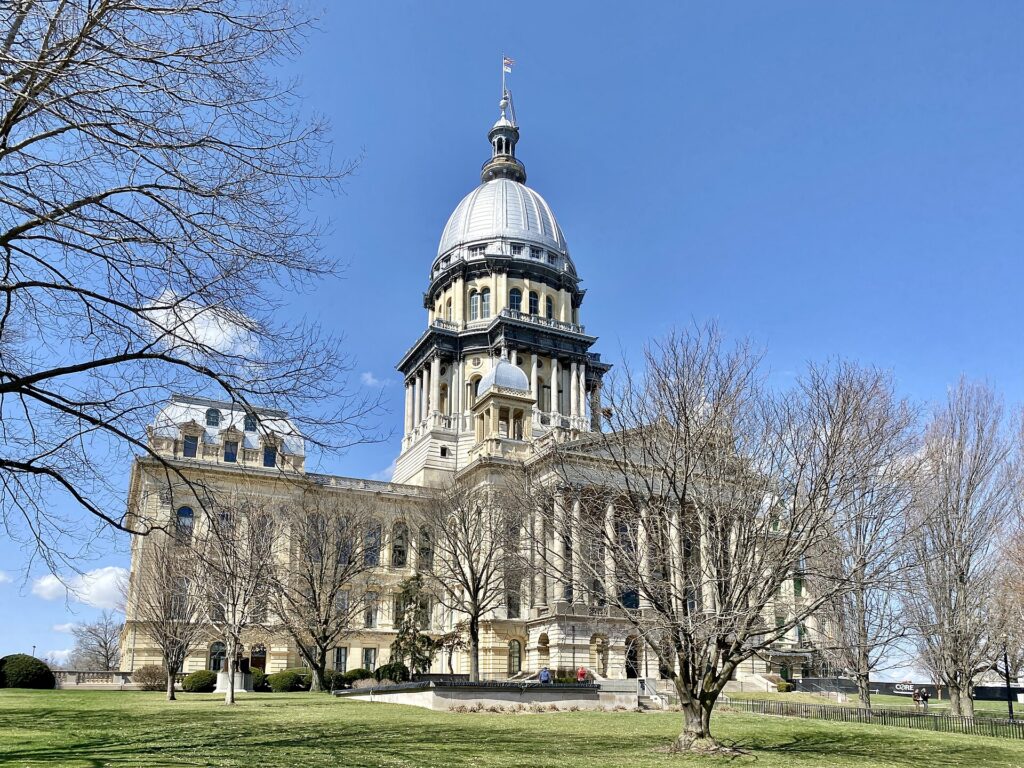 The state’s existing buyout program for its own pensions is the precedent for Chicago, which should be a warning: Look out for similar exaggerated claims and shoddy analysis.
SIGN UP HERE FOR OUR FREE WIREPOINTS DAILY NEWSLETTER
I don’t know which bank is putting a branch in that building, but I wouldn’t want to work there.
I work for a non – profit, and I can state categorically that non – profits such as those mentioned in the article do *not* create wealth… they are the recipient of taxpayer *largesse*. *Businesses* create wealth…
“All driven by the community itself!”. Well, except for the actual funds, which come from charity organizations.
The average household and per capita incomes in these Chicago neighborhoods are some of the poorest places in Illinois. Illinois which has a per capita income of $37,728. The poorest county in Illinois, Alexander County, has a per capita income of $15,858. The following Chicago neighborhoods have lower per capita incomes than Alexander County: West Elsdon$15,754.00 Auburn Gresham $15,528.00 Belmont Cragin $15,461.00 Hermosa $15,089.00 South Deering $14,685.00 Washington Park $13,785.00 Humboldt park $13,781.00 Chicago Lawn $13,231.00 Brighton Park $13,089.00 East Garfield Park $12,961.00 New City $12,765.00 Burnside $12,515.00 Gage Park $12,171.00 North Lawndale $12,034.00 Englewood $11,888.00 West Englewood $11,317.00 West… Read more »
These are very poor neighborhoods, and have been very poor for generations. They are charity cases. And as with most never-ending charity, it never seems to improve anyone’s lot, it only contributes to their continued dependency.
Seriously