
-- Connecting the dots between our economy, government and business --
-- Connecting the dots between our economy, government and business --
Chicago’s political leadership is floating a pension buyout program as evidence it is seriously addressing the city’s thirty-six-billion-dollar unfunded pension liability, but Mark Glennon, founder of the Illinois policy research organization Wirepoints, said that the proposal moves debt from one column to another rather than reducing it, and that the broader fiscal picture facing the city continues to deteriorate across every measurable dimension. Audio here.
 Expect no retraction or apology. This what they do.
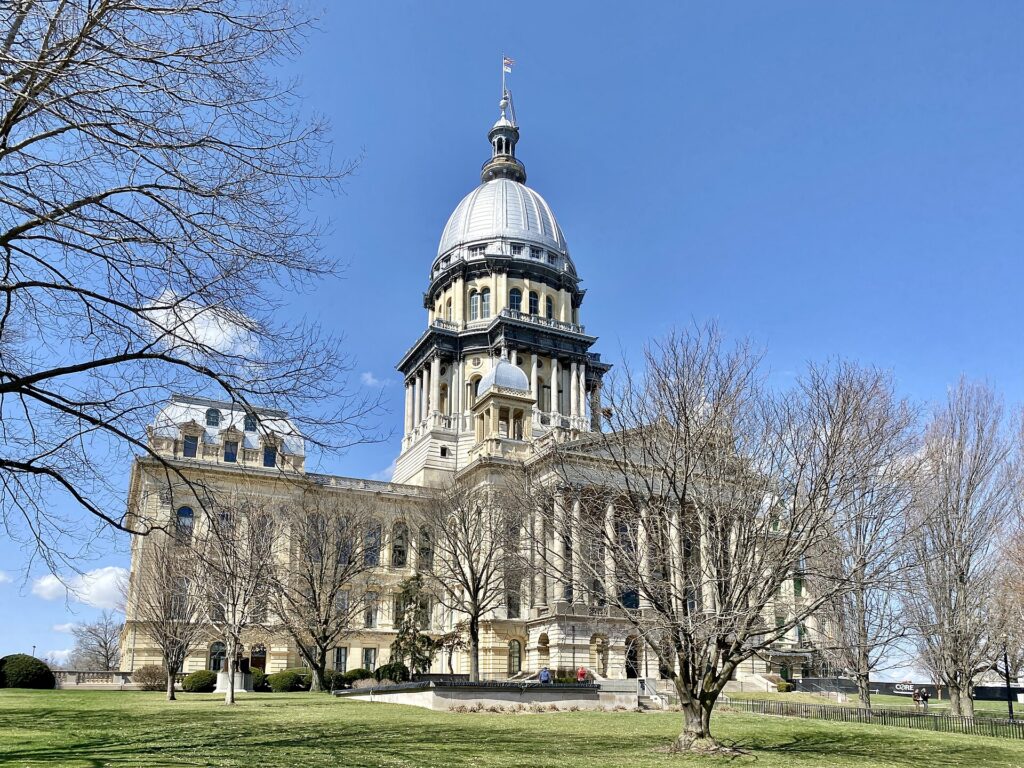 The state’s existing buyout program for its own pensions is the precedent for Chicago, which should be a warning: Look out for similar exaggerated claims and shoddy analysis.
SIGN UP HERE FOR OUR FREE WIREPOINTS DAILY NEWSLETTER
Actually when I was a kid few bungalows had meters, the water actually was free. I remember to fill your pool faster you’d put the adjacent neighbors hoses in too, three hoses, no problem.
I just paid my chicago water bill. It’s up to roughly $2000 per year and now has a separate fee for trash pick up. Massive increase over the past 20 years despite the addition and use of rain barrels for lawn and garden water. The BS water/trash bill is actually just another tax on property owners.
No surprise that these skyrocketing costs are causing pain among the poor and middle class. Like the water/trash bill, this “affordable water delivery” is just another way to screw the real workers and taxpayers of Chicago.
Water for all ordinance should be coupled with a water bill for all water users ordinance!
Also, so many opportunities for abuse. Free water? Who knows what ingenious ways low income residents will find to waste water.
They get ‘free’ health care too with Medicaid, and every slight turns into an emergency room visit, and every meal becomes McDonalds and Cheetos, because they don’t have to keep healthy when their health care is taken care of.
Don’t forget the big gulp from 7 eleven
Don’t forget the cheese coffee cake smothered in cheese wiz, Jolly Ranchers as a side dish.
I agree water should be free. Let them build cisterns on their roofs or in their backyards.
Making water potable and portable ain’t cheap. And while Chicago politicians seem to think Chicago has ownership rights to the Great Lakes water supply, Illinois water allocation from Lake Michigan is capped because when the Calumet and Chicago Rivers were reversed, it meant most of Illinois is no longer in the Great Lakes watershed, which meant it’s not all ours to take.