-- Connecting the dots between our economy, government and business --
-- Connecting the dots between our economy, government and business --
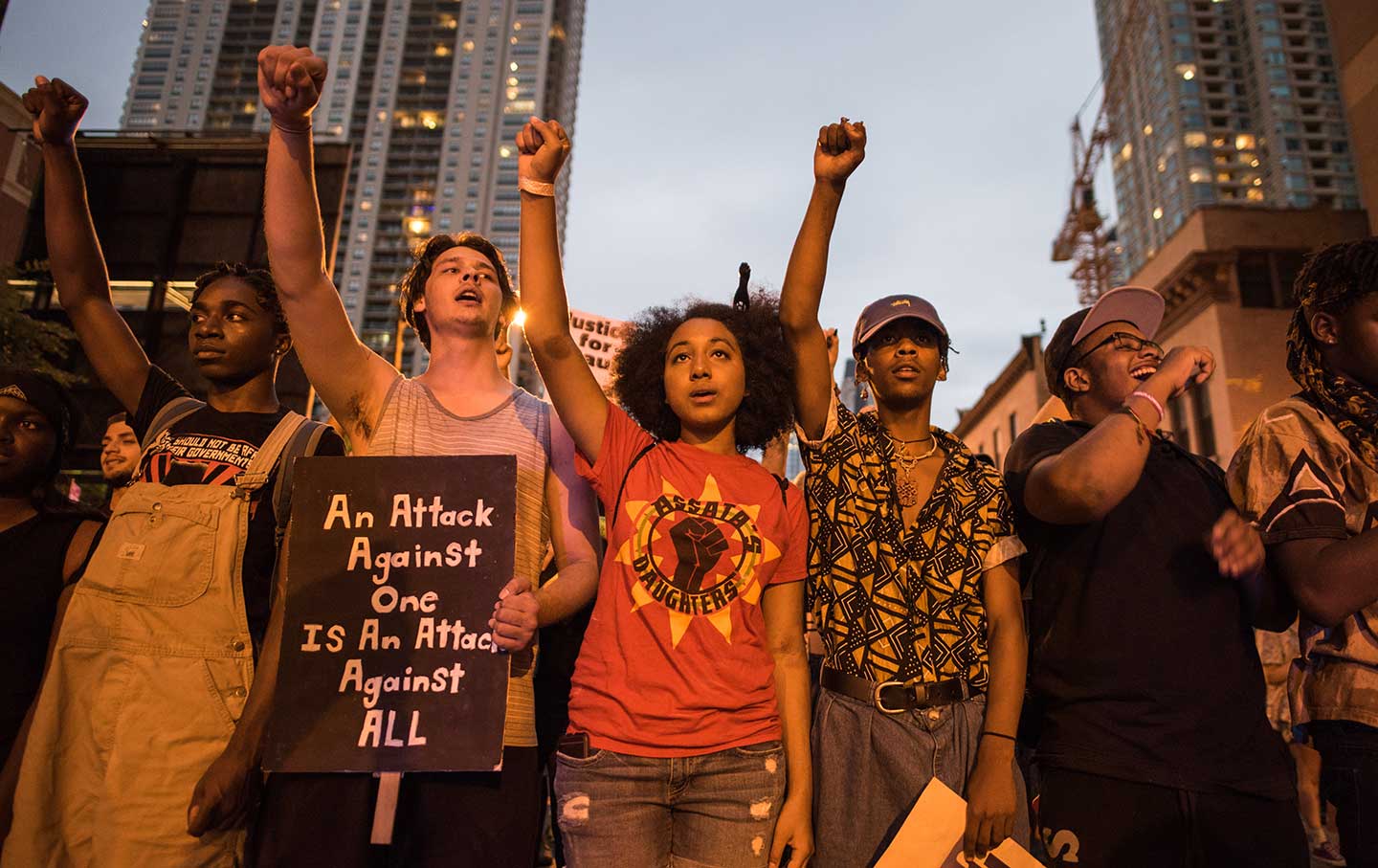
No matter who becomes mayor, the landscape of Chicago politics has shifted radically.
The reading indicates that the Illinois economy continues in the moderate growth pattern that it has maintained over the last year. A Flash Index reading above 100 indicates the economy is growing while readings below 100 indicate economic contraction.
Lightfoot holds a commanding lead for mayor, but how much change, and how far to the political left—applies to the 15 aldermanic runoff races on Tuesday’s ballot.
If you’re an ordinary Illinoisan, you may be tempted to support Gov. Pritzker’s plan to change Illinois’ flat tax structure to a progressive one. He’s promising to lower your taxes if you’ll support the switch. You should reject his offer. Simply put, the governor’s progressive tax numbers aren’t credible, nor is his offer of tax breaks for the middle class. Illinoisans might think they’ll get a deal, but in reality, they’re setting themselves up to take a hit.
Talking about the Jussie Smollett scandal and having broader discussions about racial and identity politics in Chicago is important, but it’s distracting from an even more pressing problem: The Windy City’s impossible financial math.
Yes, Chicago Teachers Union, whatever you’d like.
Our own story about this decision is linked here.
Comment: The real point is being missed. Whether Pritzker’s new taxes would raise $3.1 billion of $3.4 billion matters little. Either way, it would barely dent our problems. The entire amount could be dumped into pensions and they would not be fixed.
“If they work in big pharma and they are based in the Chicago area, they may say, ‘I’m going to work in the home office in Minneapolis where the taxes aren’t so high,'” says Cohen.
SIGN UP HERE FOR OUR FREE WIREPOINTS DAILY NEWSLETTER