Note to readers from Mark Glennon re: Ukraine
Everybody needs a side hustle these days, and mine is Ukraine, where I am now.

-- Connecting the dots between our economy, government and business --
Everybody needs a side hustle these days, and mine is Ukraine, where I am now.
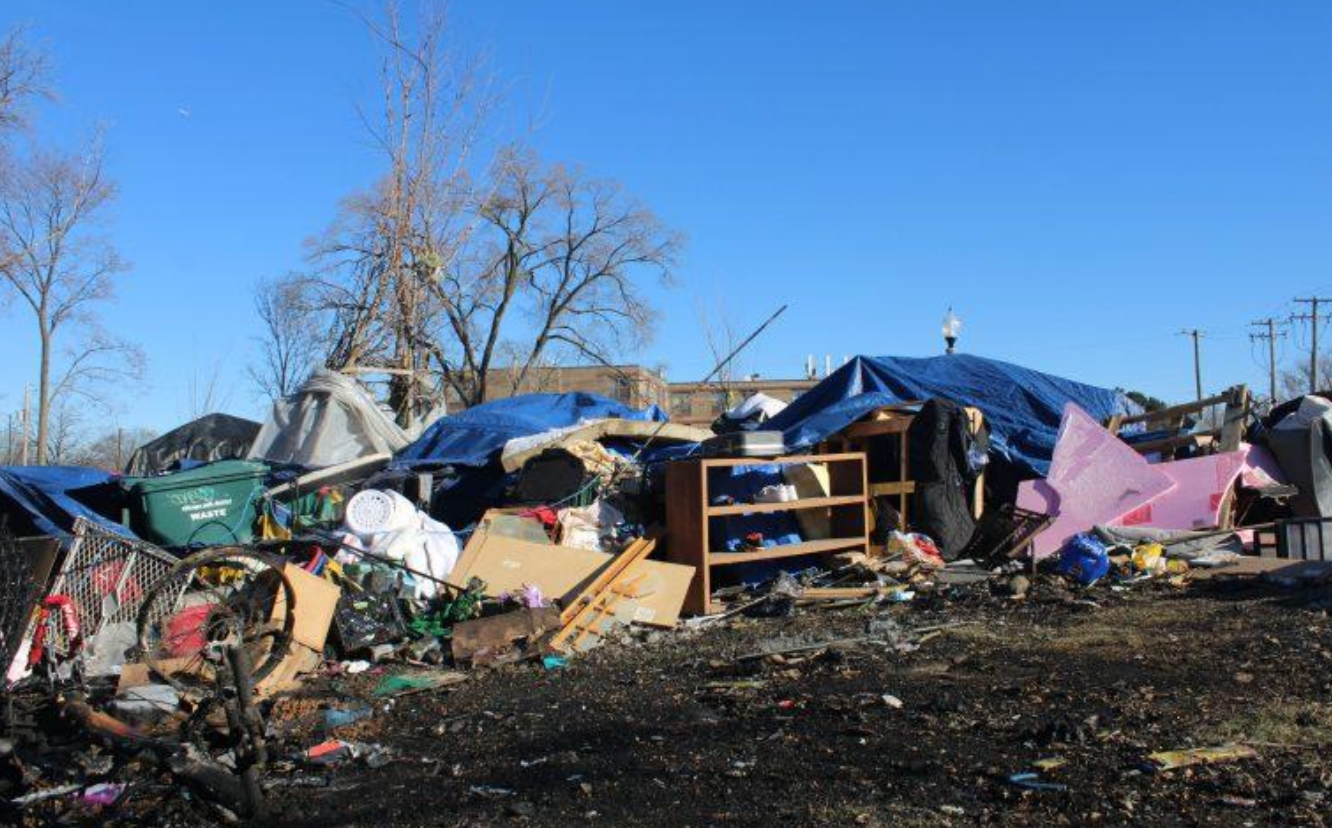 If this bill passes, say goodbye to local control over all Illinois parks and expect to see open drug and alcohol use, needles, no sanitation and fire hazards, but no ordinary park users.
SIGN UP HERE FOR OUR FREE WIREPOINTS DAILY NEWSLETTER
 Audio and summary
So according to the article, New York City and Chicago are basically tied for combined city and state pension and OPEB obligations per capita, yet New York’s economy is prospering and its population is growing handily, while Chicago is not doing so well. How does this support the narrative here that Chicago’s pension obligations are the cause of its poor economic performance? Could it perhaps be possible that having a right wing extremist for a governor for 4 years, and no state budget for two of those years, were the larger issues that contributed more to Chicago’s and Illinois’ recent… Read more »
A fair question, but the answer is certainly not what you suggest. Here’s where we were before Rauner and the budget impasse: – The state’s unpaid bill backlog was about $6.6 billion and had already begun ticking back up, despite the temporary tax increase then in place. – The state’s unfunded pension obligations tripled from $35 billion when Gov. Rod Blagojevich took office in 2003 to $105 billion the year before Rauner took over. – The state’s pension crisis was already severe enough to override the constitutional pension protection clause under the “police power” doctrine – as Democratic Attorney General… Read more »
As for the actual answer, Chicago has held up fairly well SO FAR, in contrast to the rest of the state. Our narrative has been consistent with that, and most others agree. It’s going forward that Chicago, we’ve said, will have severe problems if its structural issues are not addressed. New York, too, has big challenges going forward, and those problems have only recently started to show up. That includes population loss. (The ten-year population trend for NY you commented on earlier does not address current issues.) Even going forward, some parts of Chicago may hold up fine. It’s a… Read more »