
-- Connecting the dots between our economy, government and business --
-- Connecting the dots between our economy, government and business --
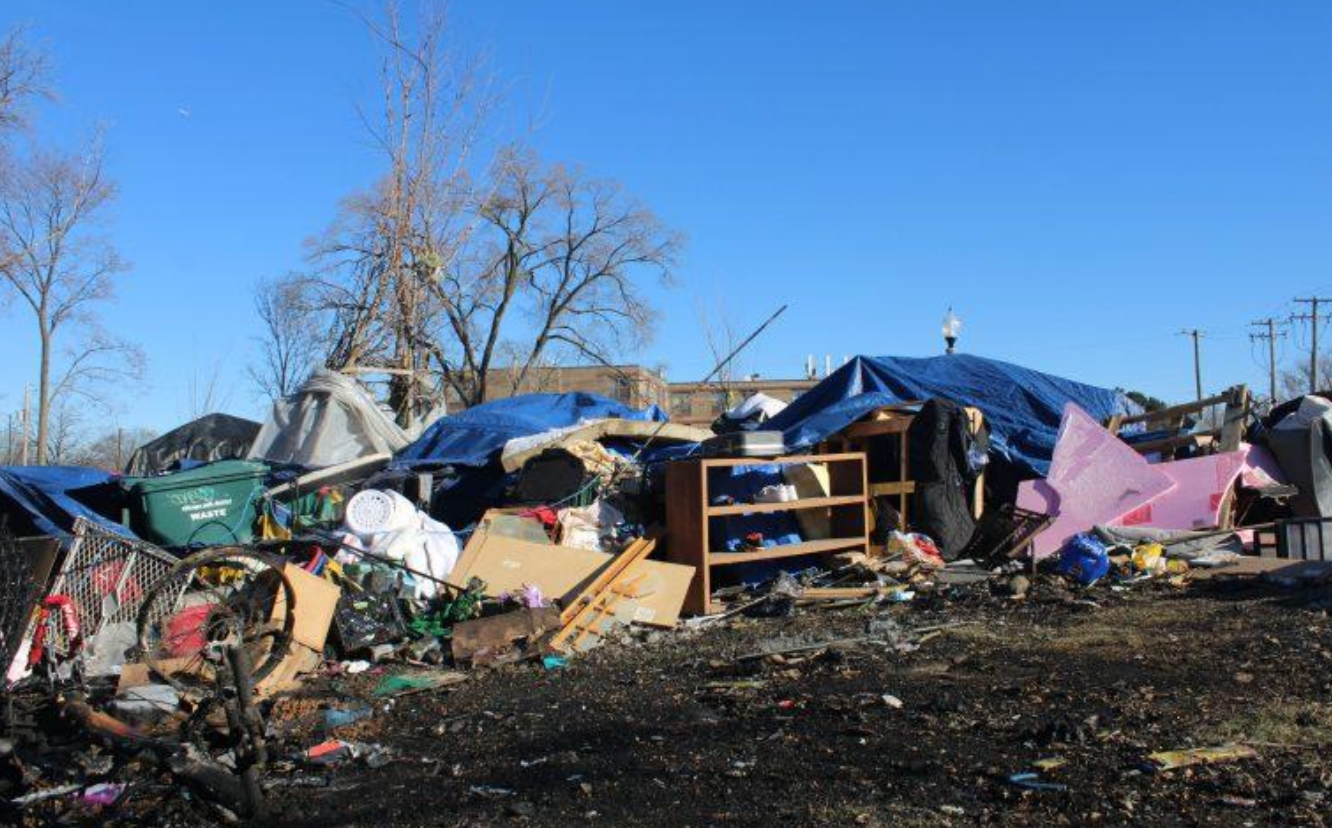 If this bill passes, say goodbye to local control over all Illinois parks and expect to see open drug and alcohol use, needles, no sanitation and fire hazards, but no ordinary park users.
Chicago’s political leadership is floating a pension buyout program as evidence it is seriously addressing the city’s thirty-six-billion-dollar unfunded pension liability, but Mark Glennon, founder of the Illinois policy research organization Wirepoints, said that the proposal moves debt from one column to another rather than reducing it, and that the broader fiscal picture facing the city continues to deteriorate across every measurable dimension. Audio here.
SIGN UP HERE FOR OUR FREE WIREPOINTS DAILY NEWSLETTER
 Audio and summary
No and a low rate of solved homicides dovetails with the progressive agenda.
Just think of those victims as overterm abortions and it’s all good. Heck, everyone of them lowers the carbon footprint.
The majority of murders in Chicago are black on black. Unfortunately the black community does not want to cooperate with the Chicago Police Department which is why clearance rates are so dismal. One might also ask why a city that is about 30% black has about 75% of the murder victims also black?
Schemel might want to consider that the gang member database has been all but abolished and CHI refuses to share intel re illegal immigrants. It’s hard to solve crimes when offenders information is made unavailable and eventually deleted.
The “communities” don’t trust the police (I took that to mean won’t work with the cops), activists want to defund the police and then the same groups complain that the underfunded, overworked police don’t solve more murder cases.
Maybe they should partner with a True Crime broadcast outfit like Investigation Discovery.
Outlaw donut shops.