
-- Connecting the dots between our economy, government and business --
-- Connecting the dots between our economy, government and business --
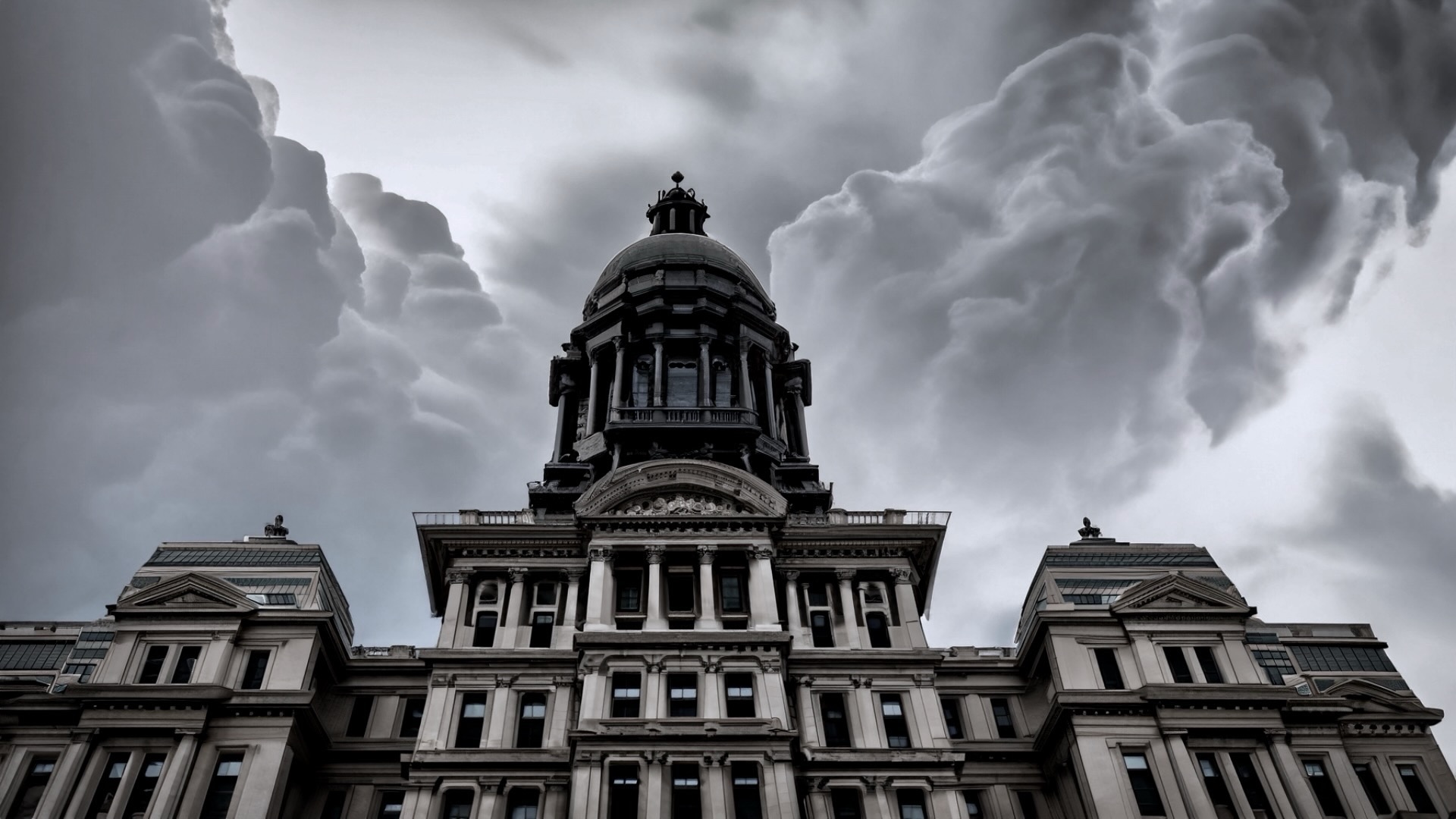 A mess of uncertainty and litigation is sure to follow.
 With $162 billion more from taxpayers, couldn’t you deliver a few bond upgrades, too
SIGN UP HERE FOR OUR FREE WIREPOINTS DAILY NEWSLETTER