
-- Connecting the dots between our economy, government and business --
-- Connecting the dots between our economy, government and business --
 Much of the routine trade and investment between China and America is entirely appropriate and in America’s interest. But inserting the Chinese Communist Party into America’s pay-to-play system and its economic development strategy isn’t just crossing a line. It’s a leap into an abyss of stupidity.
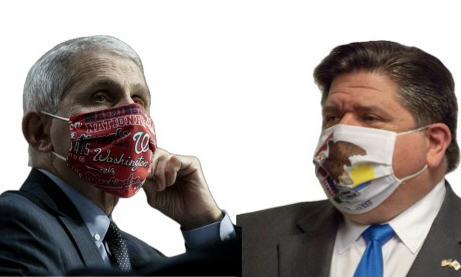 Illinois paid the price for embracing Fauci’s “science.” Here’s the retrospective.
 Summary and audio
Disinformation is a military term derived from modern war literature on deception. It’s nothing more than a maligned label, just like good news and bad news. There’s information you accept and information you don’t accept, that’s it. It has been gamed into current affairs by people and organizations that benefit from censorship, increased federal funding, and the symbiotic relationship between big tech and the federal government. This disinformation censorship campaign really ticks me off. It’s rooted in a deceptive (LOL) behavioral economics interpretation promulgated by University of Chicago folks like Richard Thaler and Cass Sunstein, that believe laypersons are incapable… Read more »