Note to readers from Mark Glennon re: Ukraine
Everybody needs a side hustle these days, and mine is Ukraine, where I am now.

-- Connecting the dots between our economy, government and business --
Everybody needs a side hustle these days, and mine is Ukraine, where I am now.
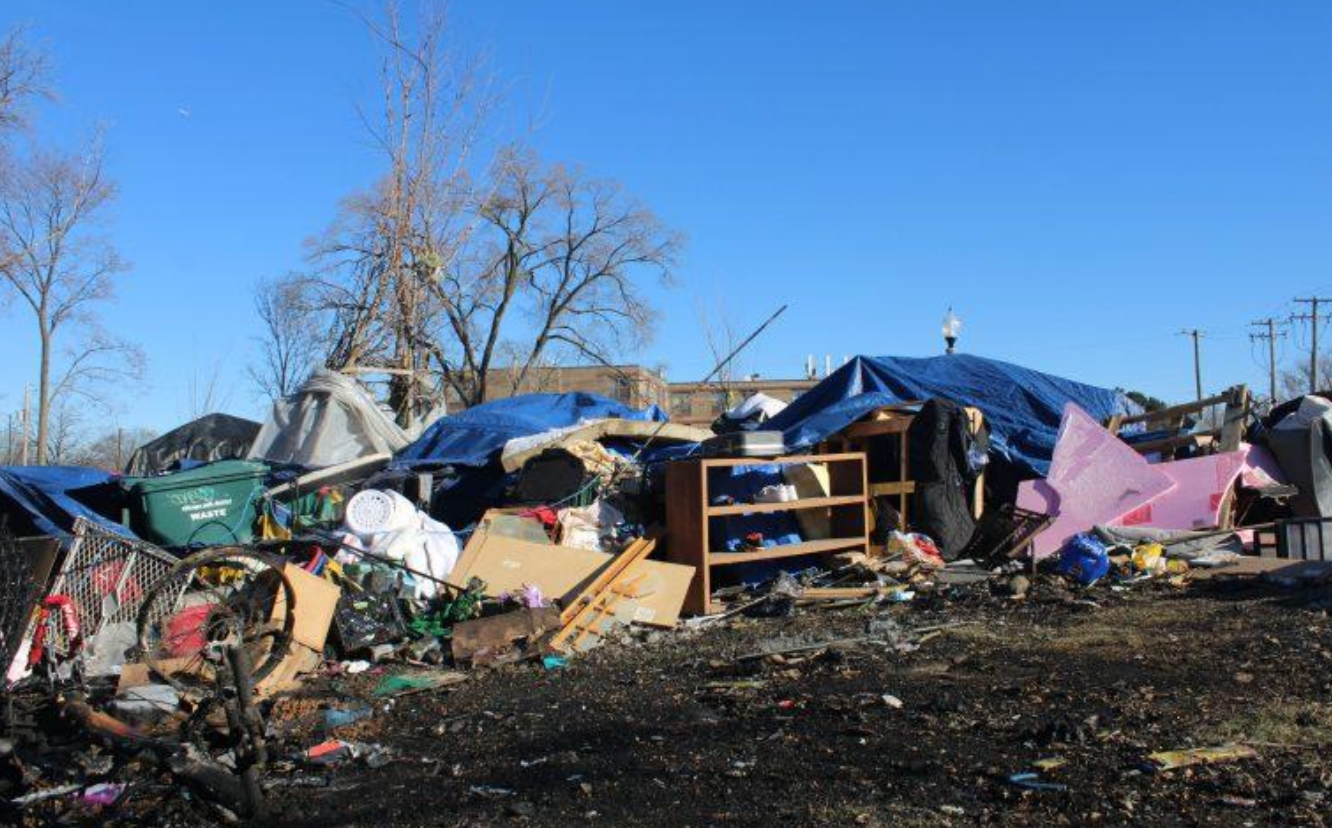 If this bill passes, say goodbye to local control over all Illinois parks and expect to see open drug and alcohol use, needles, no sanitation and fire hazards, but no ordinary park users.
SIGN UP HERE FOR OUR FREE WIREPOINTS DAILY NEWSLETTER
 Audio and summary
Good work Lori. Was it pretty hard getting those two guys to do the three jobs. Did it ever occur to you you are in the wrong line of work?
As a Civil Engineer, there are a couple of things that I need to add to this topic that always seem left out of the discussion, resulting in people being given an inaccurate and incomplete picture of this situation. First, let’s differentiate the categories of “pipes.” There’s the water main, the generally 8″ diameter pipe that’s usually somewhere in the public street right-of-way that brings the potable water to the homes/businesses along that street. Then there is the water service “pipe.” The water service pipe is connected to the water main and it serves one residence (or business). It’s typically… Read more »
Steve–great summary. It’s been a long time since i worked in residential construction in Chicago, but i believe the “service pipe” that branches off main runs to buffalo box /shutoff valve in city parkway and then from buffalo box /shutoff valve you have lead waterline that connects to property. I believe its only lead pipe from box /shutoff valve thats being replaced, about 20 LF? I could be wrong. I any case, $27,000 per replacement is crazy. The city used to make gigantic permit fees any time you replaced or upgraded your water service.
I left out the part about the buffalo box or b-box as we commonly call it, because I didn’t want to add too much complexity to what I was trying to say. The b-box is the shut off valve on the water service line into the home (or business). It’s usually closer to the water main that’s under the street. The “public water supply” ownership of the “system” usually goes to the b-box, from the water main. The private property owner is then responsible for the remainder of the water service line from the b-box into the home. If the… Read more »
The big expense would come into play if the street has to be dug up but if they’re just digging between buffalo box in parkway and property and there’s no tree in way then I think your talken a crew of 3 guys 2 days max. Not a huge cost
Another issue, as I recall, is most older homes in Chicago only have 3/4″ water service pipe to home which won’t meet current code requirements. The city will require upgrade to 1″ pipe and maybe big fees (it used to be $thousands$ years ago). And maybe if replacement is for 1″ pipe upgrade then that will require running new service piping all the way to main in street.
$27,000 to replace lead water line is in outerspace!! But articale states city will be contracting out further water line replacements. One would assume competively bid on a per unit cost and not on t&m (as city operates)? But for whoever’s ends up replacing lead water lines this is $cash cow$ to trades unions.
Five years to build the Hoover Dam. Lori should talk to her friends at DOWM! They’re accustomed to seeing Lori hanging around selecting her wardrobe.
At that rate it would take 146.39 years to complete at 4.44 pipes per year. Each pipe would need at least 153 highly paid employees. Multi generational project. The Great pyramid at Giza took approx 20 years to complete by 100,000 workers. 650 pipes will take 146 years also by 100,000 workers. Kudos to the architects of that contract.