
By: Mark Glennon*
Remember in May 2020 when Gov. JB Pritzker announced funding for an “army” of contact tracers to combat COVID-19?
Well, armies of government workers aren’t easily disbanded, and we better hope our real army functions better than our contact tracers.
“At last check, local health departments across the state received approximately $230 million. Community-based organizations are received another $60 million,” according to a new report by CBS Chicago.
Don’t expect it to end as the pandemic ends. The City of Chicago’s contact tracing program is federally funded through June 2022. It received $56 million dollars for two years, according to that report. CBS talked to one administrator of a county program who said that “at this point we do still see contact policing efforts existing to some extent, until we get to a much better place where we can comfortably say, ‘OK, we’ve got everything under control.’”
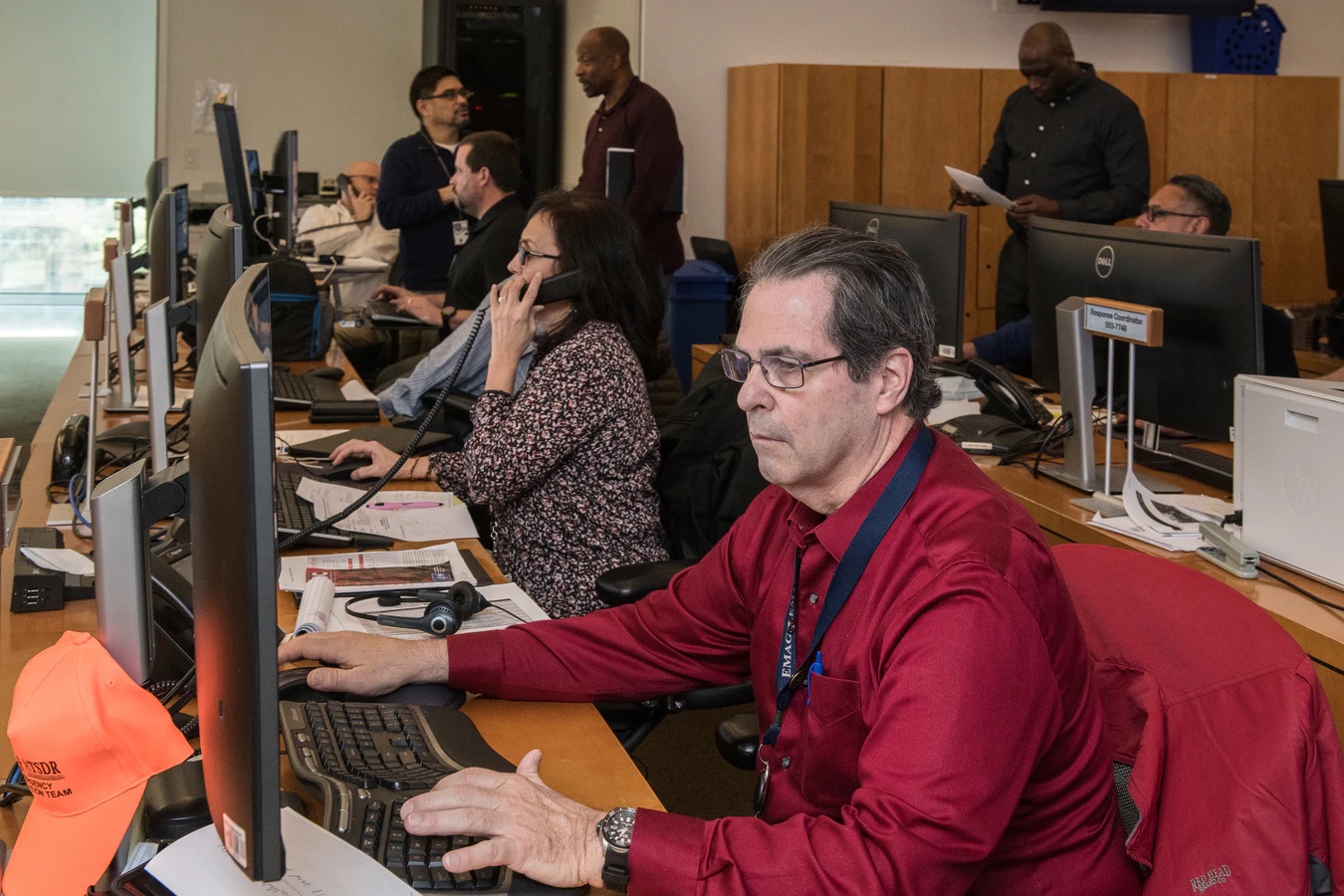 Contact tracing is entirely sensible in theory and has been used successfully against other infections.
The problem is that its execution was botched across most of Illinois from the start and, across the country, programs have mostly failed.
Illinois’ initial reopening plan required that, for any region to move from Phase 3 to Phase 4, the region would need 90% of COVID victims to participate in contact tracing. There’s no way that was ever achievable because it was obvious that many victims wouldn’t participate because of privacy concerns. That’s among the reasons why we wrote that initial reopening plan made no sense. The requirement was quietly dropped later.
Contact tracers in Chicago are paid $20 to $24 per hour, according to an earlier CBS Chicago story. The program works by having those workers contact victims who identify those with whom they’ve been in contact, who are then warned.
But Chicago fell behind in its hiring, which it attempted to remedy in September by partnering with community service organizations. The program still foundered. “The city remained short of contact tracers and COVID victims just didn’t want to cooperate or were hard to reach. From August through late November, the city’s public health investigators managed to reach and interview only about 16% of Chicagoans who’d tested positive,” according to a Chicago Sun-Times report in December.
The failure played out in most but not all counties across Illinois. A November analysis by ABC Chicago showed that, in many counties, fewer than a third of COVID victims had even been reached by contact tracers. As of today, the Illinois Department of Public Health claims that 54% of victims have been reached by a contact tracer.
Some areas did much better – at least in reaching reported COVID victims for an initial interview. The Champaign-Urbana Health District, for example claims it has reached over 97% of victims in its area. I’ve heard the same anecdotally. A victim there told me he was reached promptly and that the interview was professionally done.
Privacy concerns about contact tracing turn out to be justified, at least in Chicago. This April, City Hall Inspector General Joseph Ferguson reported that more than a quarter of the city of Chicago’s contact tracers who left their jobs as of early this year still had access to patient data for at least a month after their termination.
Illinois isn’t alone with its contact tracing problems. Slate took a look in November at problems across the nation. “America’s contact tracing effort is being hampered by poor data, low trust in public health authorities, and a fragmented workforce,” it reported back then.
New research says the national problems persist. From an healthcare IT publication: “Contact tracing was largely ineffective in slowing COVID-19 virus transmission and improving population health, mostly due to insufficient interview responses, according to a recent study published in JAMA Network Open.” It goes on:
In an analysis of over 74,000 cases between June and October of 2020 from 13 health departments and one Indian Health Service Unit, researchers found that two of three people with COVID-19 were not reached for an interview or did not name any contacts when interviewed. Public health authorities reached a mean 0.7 contacts by telephone, and only 0.5 contacts per case were adequately monitored.
But spending on the programs continues.
*Mark Glennon is founder of Wirepoints.
 Audio and summary
  If this bill passes, say goodbye to local control over all Illinois parks and expect to see open drug and alcohol use, needles, no sanitation and fire hazards, but no ordinary park users.
Contact tracing was forcefully opposed during the AIDS epidemic. The big worry was exposing a gay life style that had previously been closeted. Tracing must be accompanied by isolation and the two work together well when citizens trust authority. Do people trust government? The press? The church? Dr. Arcady may be extremely qualified but who believes her. Half the population distrusts the other half
Is there any State over sight by IDPH of what all those supposed contact tracers are doing? are the hires even TRYING to make the calls and knock on doors or just sitting at home collecting $25hr + bennies (a $52,000 year job)? is the program anything more than political pay-o-la? how may relatives and friends of pols are sitting at home doing nothing while collecting $25hr, or maybe collecting $25hr to do nothing on top of other job while masquerading as community members (whatever that is?). probably to question you’d be labeled a hater.
This was doomed from the start, and anyone with an ounce of common sense could have told you so. But obviously JB has zero common sense, so we have a huge waste of money yet again. A complete failure on our Dear Leaders part.
Someone explain this job opening in CPS for an Intake Contact Tracer. Qualifications are “Associate’s degree required. Bachelor’s degree and/or Master’s degree preferred” and “1-3 years of health related experience.” Why would you need any degree to cold-call people and take down notes? Then there’s another position for Contact Tracer with General Dynamics with “High school diploma or G.E.D. and Zero or more years of customer service or other telephone experience.” Two similar job openings: one pulls anyone off the street, the other doesn’t. Makes no sense.
So not only are employers competing with generous unemployment benefits under the CARES act, they’re also competing against govt-funded $24/hr telemarketing positions. I wonder if pay differed between institutions. For example, if the govt gave a community non-profit funds to hire contact tracers, did they pay less than, say, a university contact tracer and take some money off the top?
Another patronage-job scheme, funding by fed tax dollars. No genuine functional outcome, no net positive cost-vs-effectiveness, just lots of paper-shuffling and low employee output.
Contact tracing works in the African villages where most epidemiologists have worked with Ebola or hantaviruses.
It never had a prayer of working in urban environments, with an airborne respiratory virus, and certainly not when bureaucracies were involved. Anyone with an ounce of common sense could see that as soon as it was proposed. Yet how many millions have been wasted? And they call it “following the science.”
What they really mean is “Follow the party approved science”
Absolutely right. There was never any chance that contact tracing would do any good when there is no specific treatment (like there is for syphilis, gonorrhea, TB, or HIV) nor any effective way of inhibiting urban or suburban spread outside of what people were already doing with masking, social avoidance, etc. This contact tracing is mere political theater. Pritzker wanted to be seen to be taking action. It didn’t matter how harebrained or destructive that action might be because he could rely on the print and electronic press to never ever call bullshit on his bullshit. The important thing was… Read more »
Agreed