
Press release: New Census data: Illinois’ education spending per student grew most in nation between 2007 and 2019, and yet student achievement flatlined
Illinois spending per student is the highest in the Midwest. Neighboring states achieve better student outcomes while spending far less.
CHICAGO (July 7, 2021) – A Wirepoints analysis of new U.S. Census education finance data finds that Illinois education spending per student grew 70 percent between 2007 and 2019, the most in the nation. That’s nearly two times more than the national average over the same period.
At $16,227 per student, Illinois spent more in 2019 than every other state in the entire Midwest, a position the state has held since 2010.
Unfortunately, that higher spending hasn’t translated into better outcomes for Illinois students. Wirepoints analyzed National Assessment of Educational Progress (NAEP) data and found that Illinois test scores have remained flat since 2007.
“This new Census data helps dispel the claim that Illinois needs billions in additional Pre-K to 12 funding,” says Ted Dabrowski, President of Wirepoints.
“Gov. Pritzker, like Gov. Rauner before him, has embraced the ‘underfunded’ narrative in Illinois education and continues to push for additional funding every year. But what’s lost in the spending demands of lawmakers and education officials is that Illinoisans already pay the 10th-highest overall tax burden – along with the nation’s 2nd-highest property taxes – for a system that largely fails to deliver student achievement.”
Major findings of Wirepoints’ analysis of U.S. Census and NAEP data include:
- At 70 percent, Illinois’ education spending growth (federal, state and local) per student over the 2007-2019 period was the most in the nation. Spending grew almost double the national average (36 percent) and five times more than Florida (13 percent), the state with the smallest education funding growth in the country. Wirepoints chose 2007 as the starting year to avoid the volatility in education funding during the Great Recession.
- Illinois spent far more per student than any other state in the Midwest in 2019. At $16,227, Illinois spent 16 percent more than North Dakota ($14,004), 27 percent more than Michigan ($12,756), 60 percent more than South Dakota ($10,139) and 23 percent more than the national average ($13,187). Across all 50 states, Illinois ranked 12th in total per student spending, 8th when cost-of-living is factored in.
- Even Illinois’ neediest districts spent more per student than the overall average in other Midwest states. Illinois’ neediest districts (designated Tier 1 by Illinois’ evidence-based funding system) spent $15,216 per student in 2019, more than the average per student spend in every other Midwest and neighboring state.
- Illinois’ education spending growth is still one of the nation’s highest even when controlling for rising pension costs. Even after removing pension contributions from Illinois’ expenditures – while leaving pension spending intact in all other states – Illinois’ per student spending still grew the 10th-most in the nation (49 percent) between 2007 and 2019.
- Illinois’ increased spending has done little to nothing to improve students’ NAEP scores. Illinois’ National Assessment of Educational Progress (NAEP) math and reading scores have remained virtually flat over the 2007-2019 period.
- Neighboring states achieve better student outcomes while spending far less than Illinois does. Illinois’ neighbors spent 30 to 60 percent less on education per student in 2019. Yet students in those states largely outscored Illinois students on the NAEP. For example, Illinois fares worse in NAEP proficiency in fourth-grade math versus all its neighbors except Michigan.
“Lawmakers should discuss how to better spend the education money Illinois already has. But first, they have to acknowledge how much Illinois already spends and how little student achievement has improved, despite billions in additional funding over the years,” says Dabrowski.
“Illinois has hundreds of overlapping, duplicative school districts, a bloated administrative bureaucracy, overgenerous retirement perks, a regressive pension funding system, and more, that have siphoned away billions in direct funding for classrooms and Illinois’ neediest districts.”
Illinois’ experience with education funding and achievement shows the state needs to change how it operates. Rather than squeeze billions more out of Illinoisans, lawmakers should reform the bloated system already in place: Consolidate school districts, cut back on perks, and reform pensions – starting with a pension amendment to the state’s constitution.
Read Wirepoints’ full report: https://wirepoints.org/new-u-s-census-data-illinois-education-spending-soars-while-outcomes-flatline-wirepoints-special-report
Per student spending, 2007-2019, and other key data for each Illinois school district can be found HERE.
To book Wirepoints, contact: Ted Dabrowski (312) 203-7736, ted@wirepoints.org
 Audio and summary
 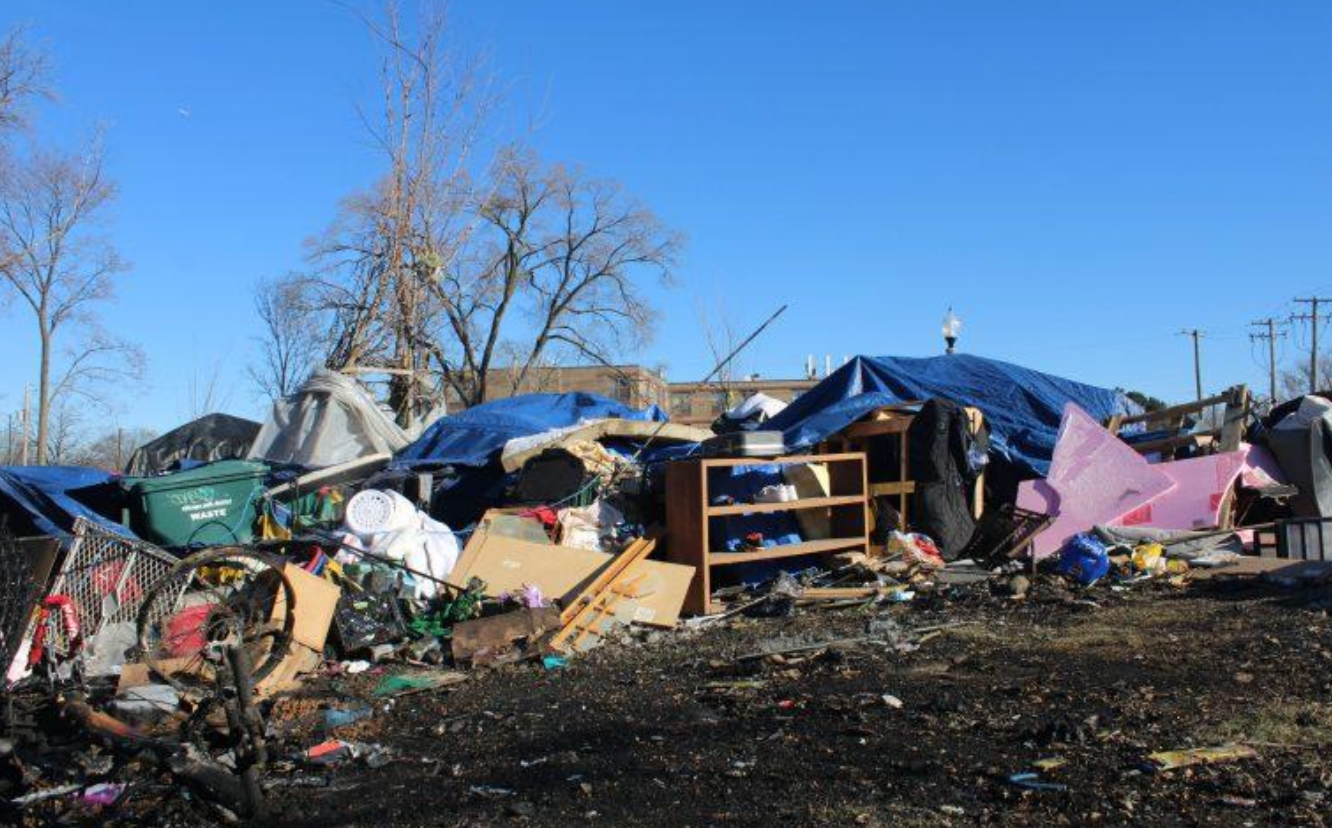 If this bill passes, say goodbye to local control over all Illinois parks and expect to see open drug and alcohol use, needles, no sanitation and fire hazards, but no ordinary park users.
McHenry County public schools typify the data cited above. Annual spending per pupil is near $17,000 and standard test scores indicate mediocrity or worse. In Woodstock, over 9% of household income (median income, median home price) is taken for property taxes (compare to mean in America well below 4%). This leaves nothing in the household budget for non-public sector workers, who DO need to pay for their own post-age-55 healthcare and DO need to save for their own retirements (which cannot begin until a decade later than teachers). Woodstock families who spend 20 years living in Woodstock lose the value… Read more »
Time to get out of Dodge!
These numbers might accurately represent extra spending per CPS employee, not spending per student. This has never been about the youth.
Rather than compare Illinois to the Dakotas, let’s do Minnesota instead. Illinois now spends $2,840 more per pupil on K-12 than blue progressive bastion Minnesota ($13,387). Back in 2013, that difference was only $1,200.
The money’s there. Always has been.
Then, should we assume that salaries anywhere in this country ought to be the same, too? What determines salaries is a combination of supply and demand for workers, their qualifications as compared to other applicants, local costs of living, the price of real estate locally, comparable wages locally, etc. All places are not equal, and the expense of doing something in one place should not be directly comparable to doing it elsewhere. To think its otherwise is plain silly.
“If all places are not equal, why compare any place?” is certainly one way to look at it. Did you have a specific multi-verse in mind?
By your reasoning, shouldn’t we spend less per pupil than California? We don’t. Minnesota has a higher median income than Illinois along with the 5th highest overall tax burden in the country, yet spends significantly less on K-12 education. Higher incomes, higher taxes, but less spending?
The best way to compare such things if you really must to feel good about doing so is to find two or more places which are alike in as many ways as possible. If you can’t think of at least 4-5 ways to say they are essentially alike you are making a false comparison most likely. It may still be false in that there are other ways are vastly different. It isn’t a swift process and takes lots of thought.
Here is how the Rockford 205 school district spends taxpayer money and why our taxes are so high.
https://www.rrstar.com/news/20180127/rockford-public-schools-spends-50800-on-2-tables-podium
https://www.ravellaw.com/opinions/7caa50c3d6ba773fcbb70366da59555f
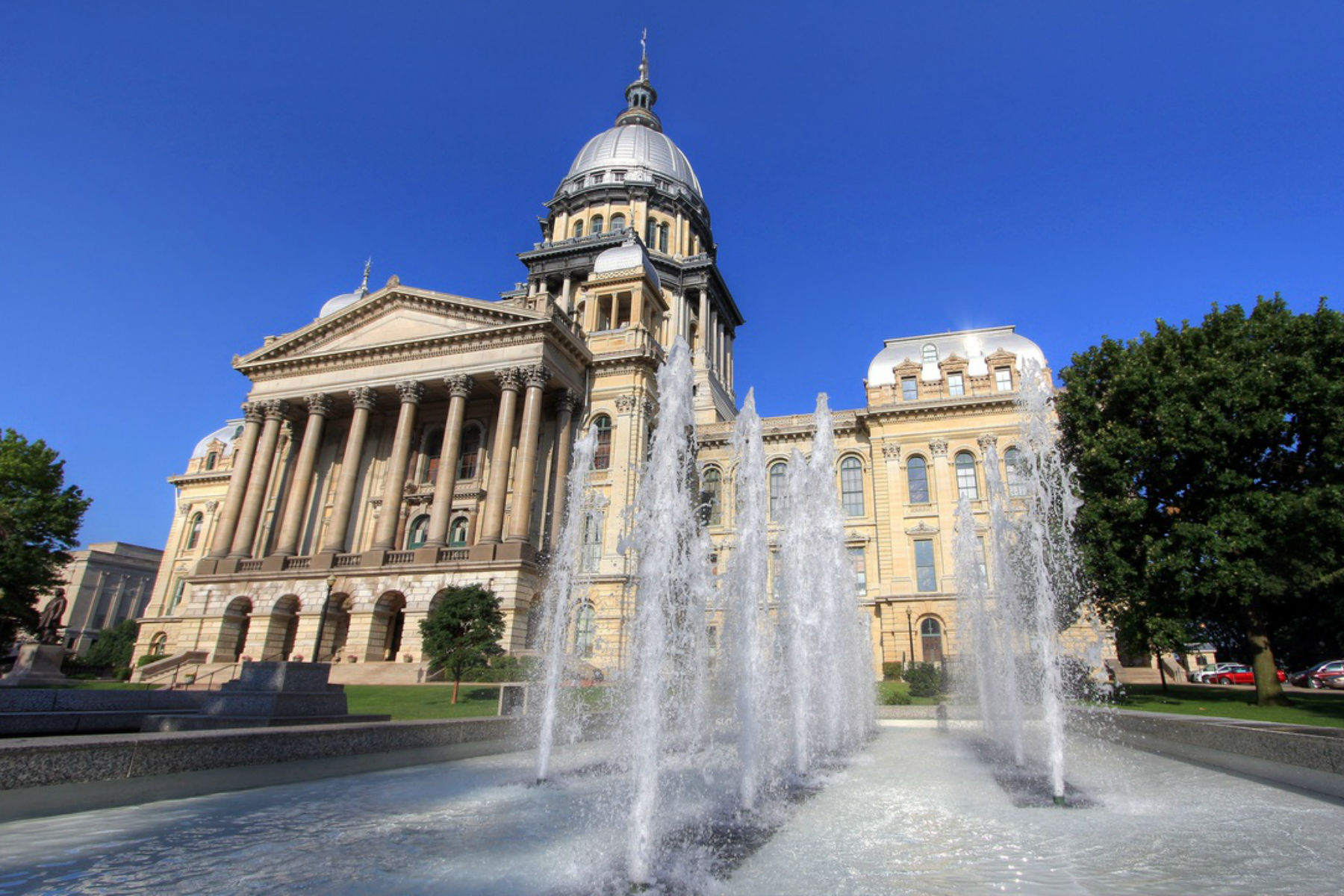
Yes, this seems a waste, doesn’t it? You’ve reminded me of the huge funds allocated a few years ago for some doors for the state capitol building. All such things are meant to impress visitors and give an aura of authority, power and respect to the decision-makers within. Well, yes, I suppose it does that, but what a sad way to spend taxpayer money all for the adoration of the political class.
How about just compare the state’s ability to pay. . .
You are right that the comparisons should be made in the same area to be more fair and precise. So as a comparison I look at per pupil expenditures of local private schools vs public. Here in Rockford private school tuition (Rockford Lutheran-Boylan-Christian Life to name a few) is approx $7,000 K-12 depending on grade with one exception and that is Keith school at approx $13K. Rockford Dist 205 is approx $15K. Cost of living and parameters are similar for both. In Dist 205 there are 4,700 employees but only 1,800 teachers with total pension pickup for teachers. Very top… Read more »
You’ve misinterpreted my message by convoluting my criteria to msndatorially include the “same area.” I don’t agree with that as a criterion. We all know the Catholic schools provide their idea of oublic education at a much cheaper price because they employ people who seek such employment for reasons beyond economic financial equity with their peers in the public school system. That’s great for the “cause” they choose to promote. But, your choices of comparison are not exactly what I had in mind and certainly not “comparing apples to apples.” Instead, you’ve purposely picked a major way those two systems… Read more »
I need to aologize, Freddy, in that I saw your intro and immediately presumed you were comparing (really any church affiliated) private school system in Rockford to the public school system there, an error on my part. I have no quarrel with comparing the financial expenditures of one such private school to another as long as the socio-economic factors and other influences are essentially the same.
James – no one suggested that every jurisdiction is equal. You raised this straw man. Comparators are relevant, and so is the need to draw distinctions. Minnesota’s outcomes are better. Not sure it is easy in today’s culture to discuss exactly why.
The main argument for the Fair Tax was everybody else does it. Why did they compare Illinois to New Mexico and Rhode Island when trying to determine if we should have a graduated income tax when, as James stated, all places are not equal?