
Ted joined Tom Miller to talk about how the 2026 state budget deficit is growing behind the scenes, why government estimates are oftentimes very wrong, the impact Trump’s tariffs could have on Illinois farmers, the potential for Gov. Pritzker to testify about Illinois’ sanctuary status, and more.
Read more from Wirepoints:
- Wondering how Illinois’ projected $3.2 billion budget deficit disappeared?
- More than $1 billion in market losses is a reminder of how close Chicago pensions are to the brink
- Pritzker and Johnson’s obsession with a racialized, sexualized, politicized school curriculum
- Illinois shouldn’t dismiss Indiana’s overture to snap up “separatist” downstate counties
 Audio and summary
 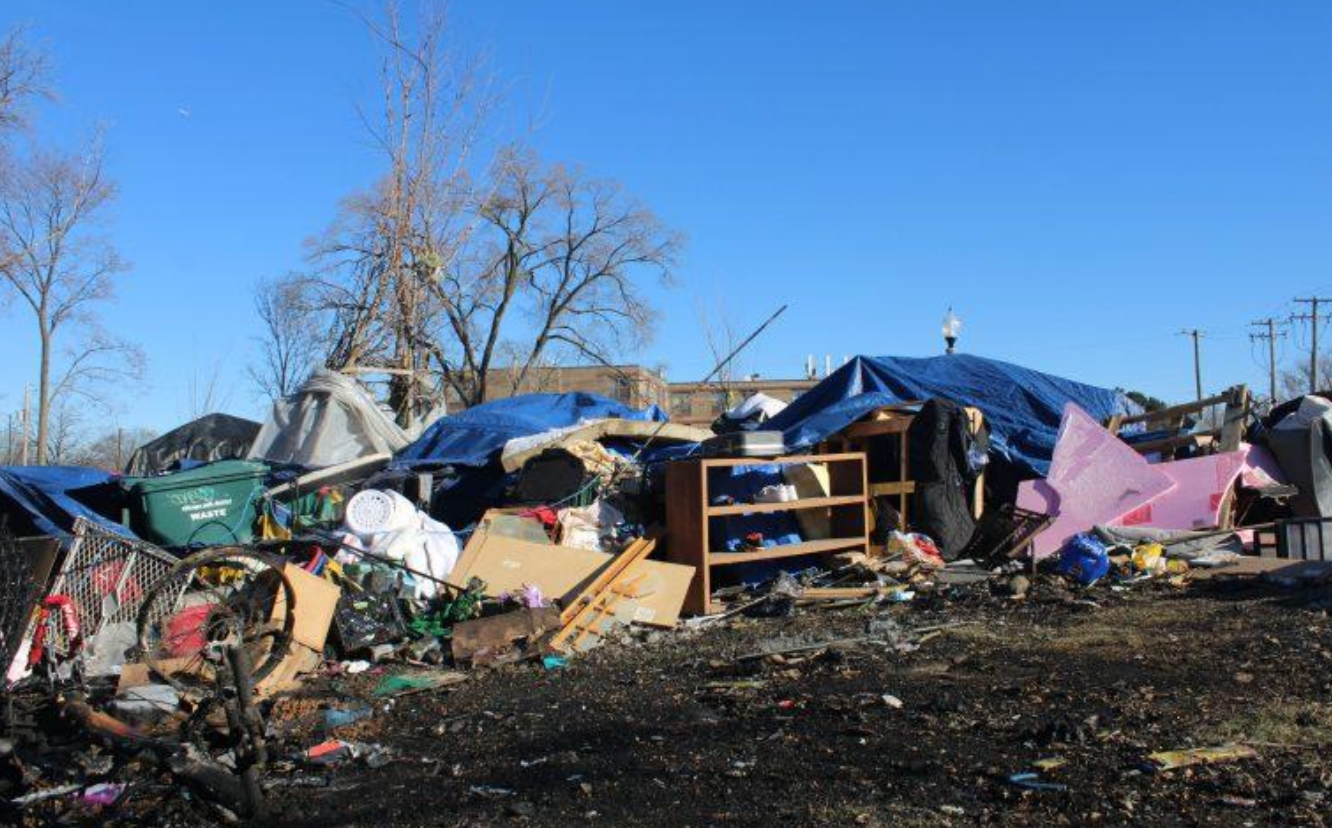 If this bill passes, say goodbye to local control over all Illinois parks and expect to see open drug and alcohol use, needles, no sanitation and fire hazards, but no ordinary park users.
Just look at the news today: China is ALREADY backing down and companies are ALREADY opening factories and farms in American again. God bless you farmers!
What has China done that makes you claim they have “ALREADY” backed down? If anything, Trump has hinted at lowering the tariffs for China. That would be HIM backing down.
Which companies have already opened factories in America? “Liberation Day” was only a few weeks ago.
Hey Dime, maybe open the newspaper. Trump’s economy is the envy of the world.
China is one of the biggest importers of American agricultural products. Tariffs have destroyed this market. The Chinese no longer will import the soybeans and other crops and go to Brazil instead. Once you lose a market it is very hard to get it back. They do not trust American as a reliable supplier any longer. This is very bad for the farmer.
Soybeans are one of the United States’ major agricultural exports, though they don’t top the list in terms of dollar value. In 2023, soybeans ranked as the third-largest export product, with a value of around $26.4 billion. This makes soybeans a critical agricultural commodity, particularly because they are in high demand for both animal feed and oil production globally, especially in countries like China, which is a major importer. The U.S. is one of the world’s largest producers and exporters of soybeans, with much of the crop grown in the Midwest, notably in Iowa, Illinois, and Indiana. While it’s not… Read more »
Perhaps those nervous about farming tariffs should talk to the farmers in VT, NH etc about having to put up with cheaper Canadian imports cutting them off at the knees for years now.
Can you give some examples of farmers in New Hampshire and Vermont suffering from cheaper imports from Canada?
Several years back, farmers were dumping potatoes onto the roads into the US to block Canadian trucks with cheaper produce from entering. That one stands out in my mind.