
-- Connecting the dots between our economy, government and business --
-- Connecting the dots between our economy, government and business --
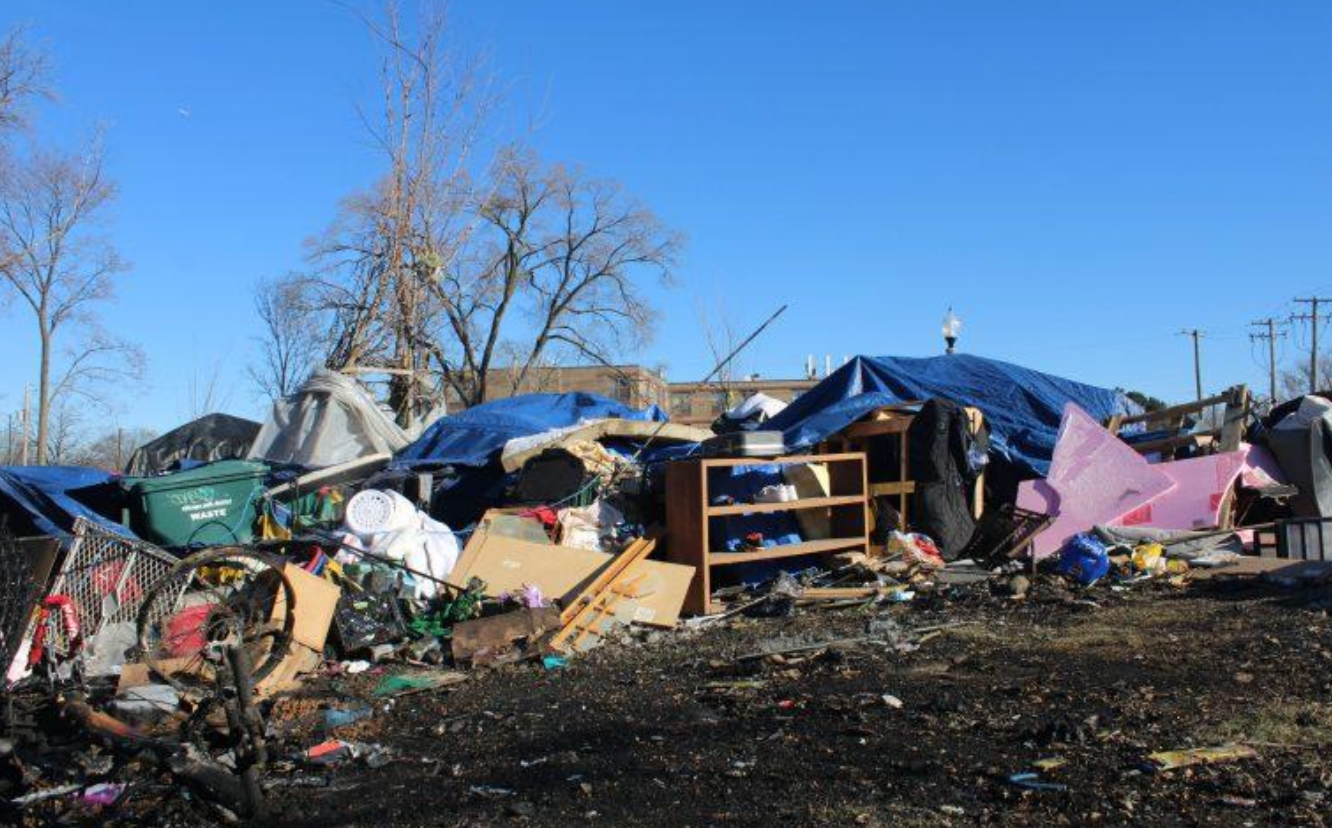 If this bill passes, say goodbye to local control over all Illinois parks and expect to see open drug and alcohol use, needles, no sanitation and fire hazards, but no ordinary park users.
Chicago’s political leadership is floating a pension buyout program as evidence it is seriously addressing the city’s thirty-six-billion-dollar unfunded pension liability, but Mark Glennon, founder of the Illinois policy research organization Wirepoints, said that the proposal moves debt from one column to another rather than reducing it, and that the broader fiscal picture facing the city continues to deteriorate across every measurable dimension. Audio here.
SIGN UP HERE FOR OUR FREE WIREPOINTS DAILY NEWSLETTER
 Audio and summary
Everyone has an opinion on why rents are so high, but most people are only partially correct. Rents are high for several reasons that combine together to lead to disastrous outcomes. The best analogy is that a patient can survive a long time with diabetes, but if they smoke, drink, use cocaine regularly, and have a high-stress job, the compounding effects make any one condition exponentially worse and lead to an early death. Chicago’s rents are high foremost because of easy money, cheap credit, and lax lending. The barriers to entry to become a Chicago real estate magnate are shockingly… Read more »
Thanks for your thoughtful and detailed viewpoint. That’s what we want here.
The two largest costs of housing are land cost and property tax. Zoning regulations are far down the list. There is massive supply of vacant buildable land with utilities in place on Chicago’s south and west sides, but the city and county can’t give it away because of crime and policies to preserve segregation. Gentrification is verboten. Progressives would rather damage successful neighborhoods and make everything an equitable sewer.
Further, while the scatter brains accuse zoning regulations, they layer up the building code with insanely expensive “resiliency” features that nobody wants.
“There is massive supply of vacant buildable land with utilities in place on Chicago’s south and west sides, but the city and county can’t give it away because of crime and policies to preserve segregation. Gentrification is verboten.” In the third largest city in the United States, the City of Chicago owns 10,000 to 15,000 vacant lots! Bonus: they are located within walking distance of public transportation. Unfortunately, as you point out, about 80% of them are located in black and brown neighborhoods where crime and dysfunction are the order of the day. Nobody with money to invest is going… Read more »
It’s also a land supply problem. There’s not large parcels where hundreds of homes can be built. The best option is large apartment buildings. Remove the hurdles of building large apartments in the city and you might get more development. Realistically though they’ll never be able to build enough to cause an over supply that will brings down prices. The affordable housing requirement actually causes higher rent. Developers have to raise rents on non-affordable units to make up for their loss on affordable units.
It must be time to spend billions on new towers and row-houses as affordable housing, funded by the tax payer. That’s what LA is doing, so it must be right. They should only cost 2 or 3 times the actual cost of such buildings, many will get rich on the graft and the buildings will be run down and destroyed in 5 years, but hey, gotta have a prOgram to solve such problems…
The problem is influx of illegal aliens
With the outflow of Illinoisans and the vacancy rate of downtown office buildings, the “surging” demand makes no sense unless there are either subsidies being paid to offset rent, or if investors have purchased these units and are sitting on them to drive up demand.
This is a setup to ramrod the Senate Bill 4060 that allows multifamily housing in any community on residential lots. This doesn’t seem to really be about housing, it is about allowing JBs buddies to make money as fast as they can.
How much more are taxpayers supposed to take in Illinois?