
Opinion: The new red wave is already here – The Hill
Recent U.S. Census data underscore a grim reality for the biggest blue states: More people are leaving states such as California, New York and Illinois than moving to them. These migration patterns have huge consequences for state budgets: New York’s tax base, for example, decreased by $19.5 billion in 2020, while California saw $17.8 billion leave that year and lllinois lost $8.5 billion.


 “We’re not a bubble,” said Jadine Chou, the school system’s safety and security chief. “CPS is connected to the whole city, and we’re connected to older people, younger people.” Last year, nine children 17 years old or younger were killed on a weekday in the hours that students head home — between 2 p.m. and 4:49 p.m. That does not count a 17-year-old Kenwood Academy student who was killed while on his lunch break or the shooting outside Schurz High School that left a
 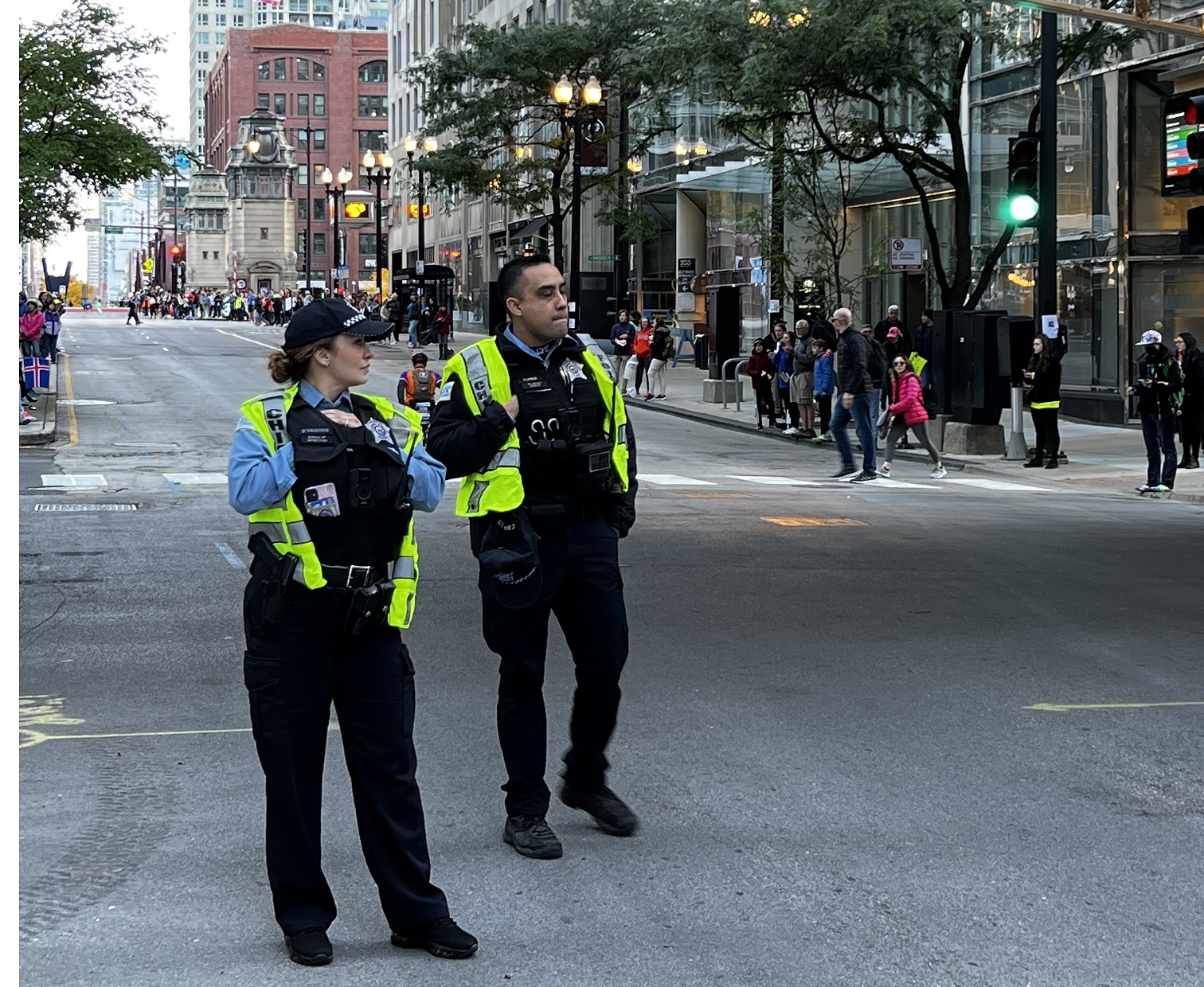 Chicago Mayor Lori Lightfoot’s recent campaign ad claims “she’s put more police on the streets.” But the city’s own data shows that claim is simply not true. Sworn police officers assigned to the city’s 22 police districts for regular patrol duties are down 19 percent since Lightfoot took office in April of 2019.
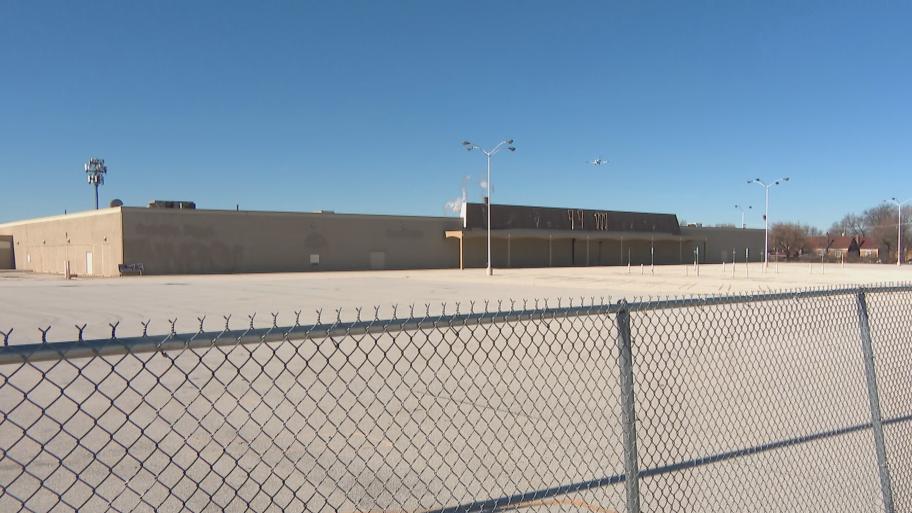 The migrants — mostly asylum seekers — will be relocated from the suburbs, where they are currently staying at hotels. Both state Rep. Angelica Guerrero-Cuellar and Ald. Silvana Tabares have reservations. “After being briefed about the state’s pending plans to house migrants at the location at 71st and Pulaski, I have major concerns for the safety of the local community and the people who will be housed at this location,” Tabares said.