
More respite centers in Hispanic neighborhoods key to reducing migrant crisis tensions in Chicago, mayor’s floor leader says – Chicago Sun-Times
Ald. Carlos Ramirez-Rosa refused to pinpoint precise locations for the new centers, only that the Johnson administration was “very close to moving on a number of locations, some big and some small, primarily in Spanish-speaking communities…The reason why you want to do that is because you want the migrant that arrives here that doesn’t speak English to be able to walk out of the shelter and to be able to go to church. To be able to go to the local business.”
 Two weeks ago Wirepoints warned that the Invest in Kids Act was at real risk of being eliminated by Gov. J.B. Pritzker and the legislature. Chalkbeat effectively confirmed that on Wednesday. The scholarships likely won’t be part of the budget negotiations this week and will instead be pushed to later in the year, just as we warned.
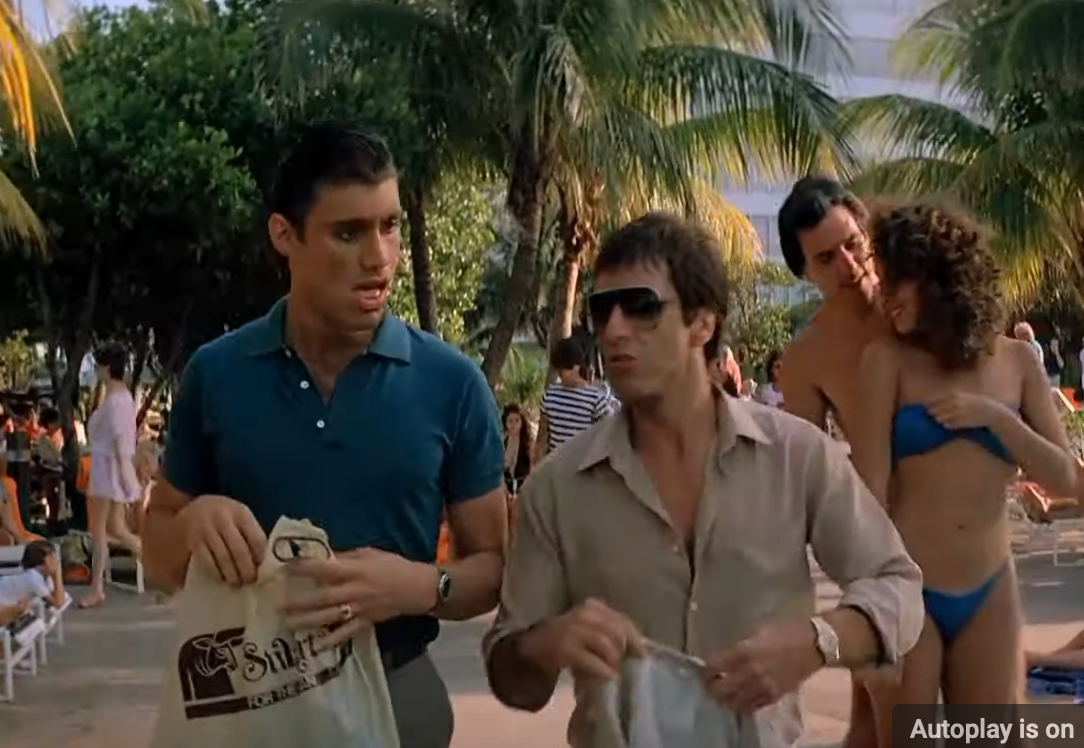 You gotta hand it to today’s left when it comes to the path to power. The title on their proposal is “First We Get the Money: $12 billion to fund a just Chicago,” echoing the wisdom in a famous line in the movie Scarface, “First you get the money, then you get the power….”
 “As an educator in the inner cities, I’ve seen and lived the reasons why our young people are not learning. And as a parent who has raised three sons and a daughter and has grandkids in this system, parents need real choice.”
 The Wall Street Journal’s James Freedman highlighted Wirepoints’ Report Card data in his piece criticizing Mayor Johnson’s union-friendly/anti-taxpayer requirements for the post of deputy mayor.
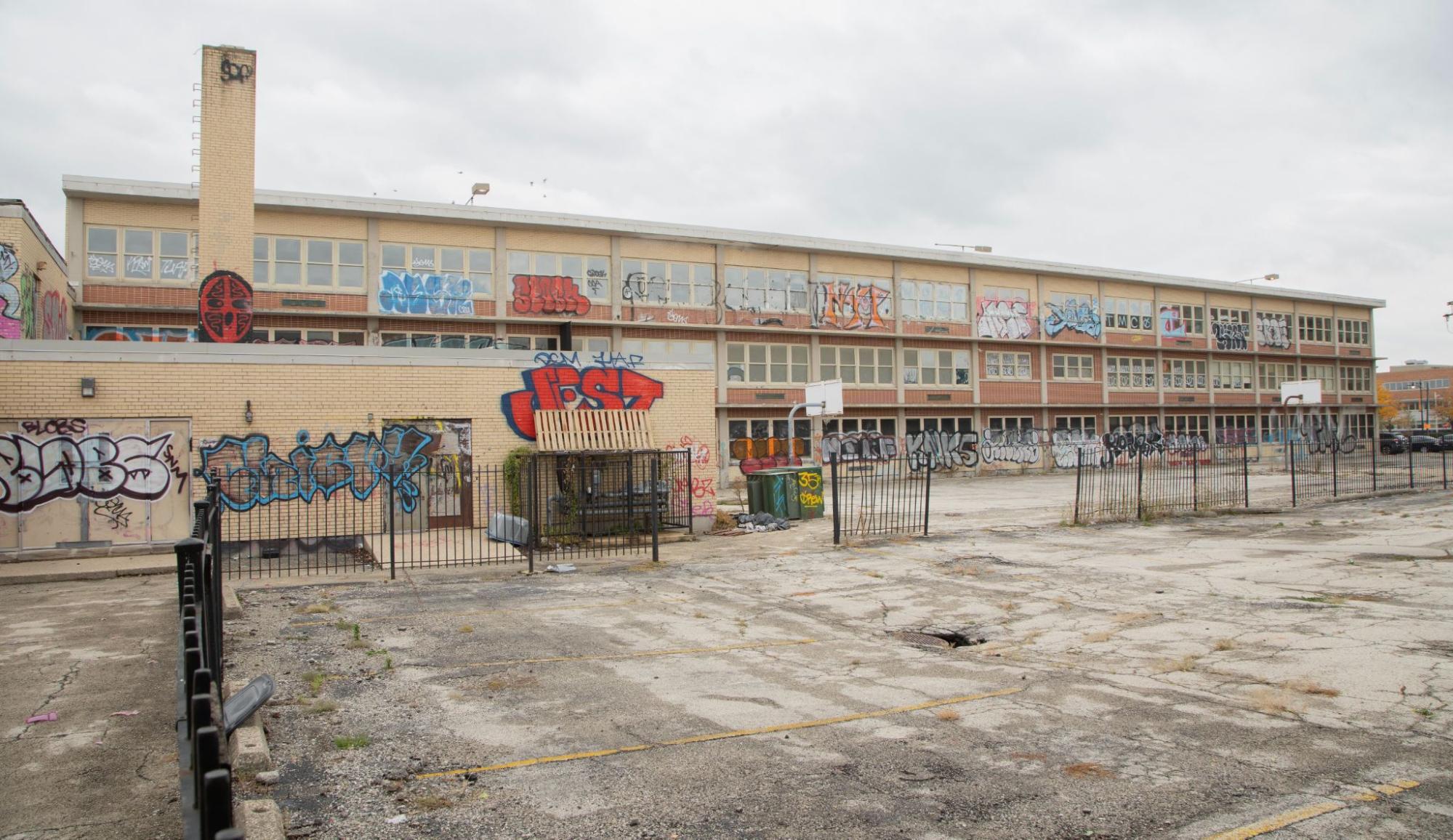 Today, big cities nationwide again face similar dynamics as those that led to school closings across the country: major student population declines, aging buildings in need of repair and budget deficits. Here, as a $628 million deficit approaches and enrollment losses have accelerated, even insiders who oppose closings say balancing the budget would be more difficult if those 50 schools were still open. CPS has 81,000 fewer students compared to 2013, far outpacing the decline in the 10 years prior to 2013.