-- Connecting the dots between our economy, government and business --
-- Connecting the dots between our economy, government and business --

Chicago’s playpen, an enclave where boaters party on Lake Michigan near Ohio Street Beach, is closed for the summer. While the city’s lakefront and beaches will reopen this summers, “hopefully later in June,” congregating between boats won’t be allowed, Mayor Lori Lightfoot announced Friday.
“Sorry, folks, the Playpen is not gonna be open this summer,” Lightfoot said.
“We’re gradually moving in that direction, but there’s no doubt, the most important thing is we do not want parishioners to get ill because their faith leaders bring them together,” Pritzker said.
“I think we have to realize that virtually everything he says has a political undertone and basis for it,” Lightfoot said. “Look, we are working with our faith community, just like we’re working with businesses to set up very specific guidelines to help them to be able to reopen safely.”
The mayor noted Trump has had to “walk back” various proclamations he has made during the coronavirus crisis or seen his assertions “get undercut by people who are wiser than him on
The breach in the system built for Pandemic Unemployment Assistance payments was revealed last week, when a claimant reported that she had stumbled upon personal information for thousands of applicants on the state’s website, including names, addresses and Social Security numbers. The claimant told her state representative, who reported it to the Illinois Department of Employment Security.
The legislation also creates a “rebuttable presumption” that a first-responder or essential worker who contracts COVID-19 did so in the course of their employment. Employers, however, would have avenues to rebut the worker’s claim.
Under the new guidance for group child care settings, capacity would be “roughly 30 percent lower than their pre-pandemic levels.”
Beginning July 1, the measure requires the governor to submit monthly reports to the newly created commission. The Act would be repealed July 1, 2021. The measure also codifies other executive orders from the governor like allowing remote participation in meetings of public bodies, and provides liability exceptions for delayed public records request responses retroactive from March 9, 2020, to June 1, 2020.
At $8.6 billion, Illinois’ underfunded pensions will get level funding from fiscal 2020. The state’s pension system has more than $136 billion in unfunded liabilities.
All sectors of the economy have experienced job loss since the onset of COVID-19 related fallout. Total non-farm payrolls throughout the state have now fallen to their lowest levels since 1993.
The state has not estimated the cost this provision would have on municipalities, continuing a long tradition of Illinois lawmakers avoiding price tags on new unfunded mandates.
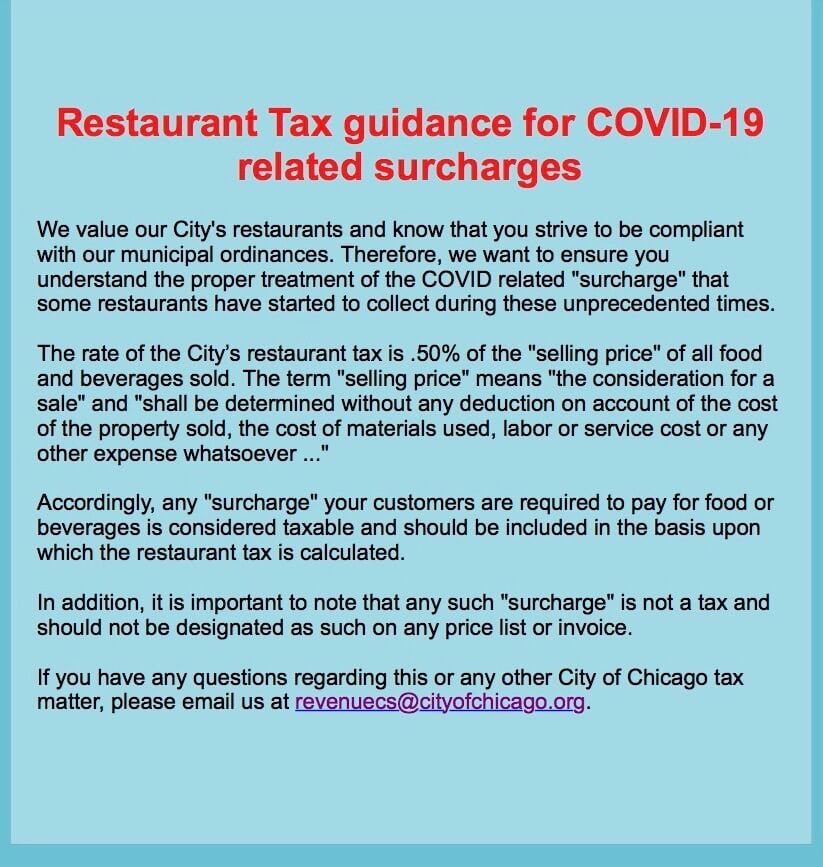
Cough up sales taxes on any surcharges.
In addition to higher pay for politicians, Illinois state workers are in line to receive $261 million in automatic pay raises on July 1. Gov. J.B. Pritzker has refused to call for government worker pay freezes, furlough days or other reductions.
The omissions are part of the revised way the state will report COVID-19 cases and deaths at nursing homes; the change was made “to focus on those facilities currently experiencing an outbreak,” an agency spokeswoman said.
Thus far, there’s been a “lack of meaningful action to address the state’s financial woes,” they write in a press release. Their primary focus will be the “promotion of the structural and ethical reforms Illinois desperately needs.”
A group of Ohio residents sued Deloitte in Manhattan federal court, after officials in that state, Illinois and Colorado disclosed that personal information from benefit applicants, including home addresses and social security numbers, was exposed to other users of the system. Another group of Ohioans sued Deloitte in state court in Cleveland. Both suits are proposed class actions.
Nearly $50 million of that projected financial impact comes from adjustments to student fees for housing, dining and other activities. The university system received $63 million from the federal CARES Act, of which 50 percent goes directly to students for coronavirus-related financial aid.
There have been citations issued to 126 businesses so far; 48 of those since the beginning of May, after the expansion of retailers allowed to open for curbside pickups. The cited businesses include bars that allowed dine-in, gyms, yoga studios, hookah lounges, tobacco shops, hair salons, sporting goods stores and beauty supply stores.
There are only about 2,650 emergency child care providers open across the state; Those that are open can only serve 10 children at a time. Non-emergency day cares can’t reopen until Phase 4 of the state’s reopening plan, which Chicago won’t be able to progress to until at least late June. Parents are worried about their businesses or positions at work if they have to remain home to look after their kids.
“This discussion needs to go beyond 2:30 in the afternoon press conferences,” Sen. Minority Leader Bill Brady said. He explained that the briefings are useful in informing the state, but the General Assembly needs to have a more prominent role than just a 3-day legislative session when it comes to restarting the state’s economy.
Both Sandoval and Tom Cullerton are recent examples of public figures using a controversial yet legal practice that allows politicians to spend campaign contributions defending themselves against charges involving their public office.
Mark Konkol: “Her (Ezike’s) public health department won’t release details about where the data is coming from, what it includes and any details about how the information is sorted – and who is in charge of sorting it (bureaucrats or data scientists) — before it’s distributed to the public as trusted guidepost for the government’s pandemic response.”
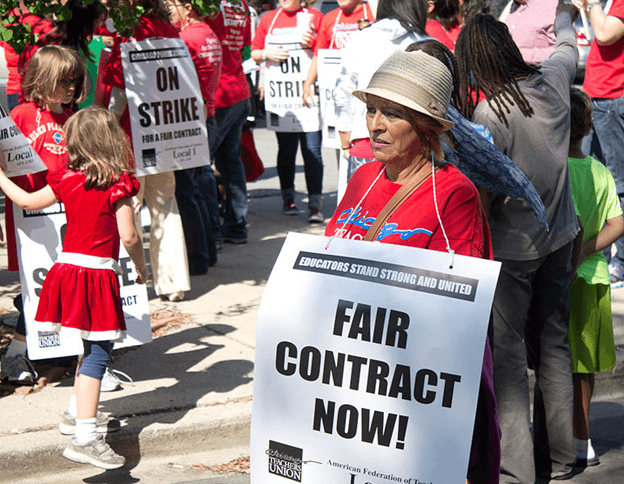
Public payrolls are getting slashed around the country to keep government more affordable for the devastated private sector, but not in Illinois. Quite the opposite. Pritzker and Lightfoot are doling out raises while saying Illinois’ financial problems can’t be solved without help from the federal government.
Gov. J.B. Pritzker’s top priority in November is a constitutional amendment eliminating Illinois’ flat income tax protection. Government worker unions are among Pritzker’s largest supporters – meaning employees in local governments could be paid to get out the vote for the governor’s interests.
Board President Toni Preckwinkle said she was profoundly disappointed by the vote; She said it would particularly impact the African American and Latinx communities. Mayor Lightfoot took to Twitter to voice her displeasure and said it will never become law in Chicago.
As each bill has already cleared at least one chamber, they could both pass in a single legislative day. Upon passage, they’d need a signature from the governor to become law.
“When politicians break or appear to break their own rules, partisan politics isn’t at the heart of it. Human nature is at the heart of it. And the human heart can rationalize all sorts of things, before directing the mouth to issue a few words.”
The Illinois Constitution Amendment Act requires the General Assembly to prepare a brief explanation of the proposed amendment, a brief argument in favor, a brief argument against, and the form in which the amendment will appear on the ballot in a pamphlet that will be distributed to voters. Each household with a registered voter will receive the information by mail.
“My budget director is projecting a budget shortfall of anywhere between $800,000 and $1.2 million,” Riverdale Mayor Lawrence Jackson said. “Worse-case scenario we will probably need to reduce our staff by a third.”